Dermaplaning used to mean a trip to the esthetician. Now most of the demand has shifted to home tools, and 2026’s lineup reflects that: sonic devices with built-in LED lights, weighted metal razors that mimic a professional blade, and $5 disposable multipacks that get the basics done. There’s no single “best” tool here — it depends on how much control you want and how much you’re willing to spend on refills.
These recommendations are not medical advice. Consult a dermatologist for persistent skin concerns.
At-home dermaplaning is genuinely technique-dependent. Getting the blade angle, pressure, and direction right is trickier around curves like the jawline, chin, and upper lip than it looks in a tutorial. Go slow, use short strokes, and stop if your skin feels raw or irritated.
Quick Picks
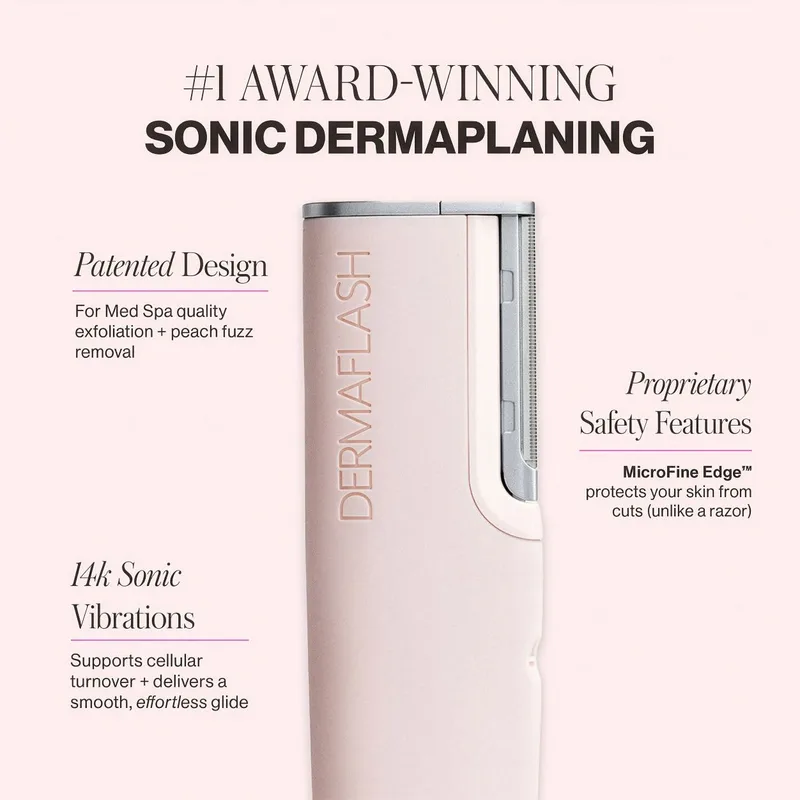 Best OverallDERMAFLASH LUXE+ Sonic Dermaplaning Tool$199.00as of Oct 11, 2026Read our take ↓
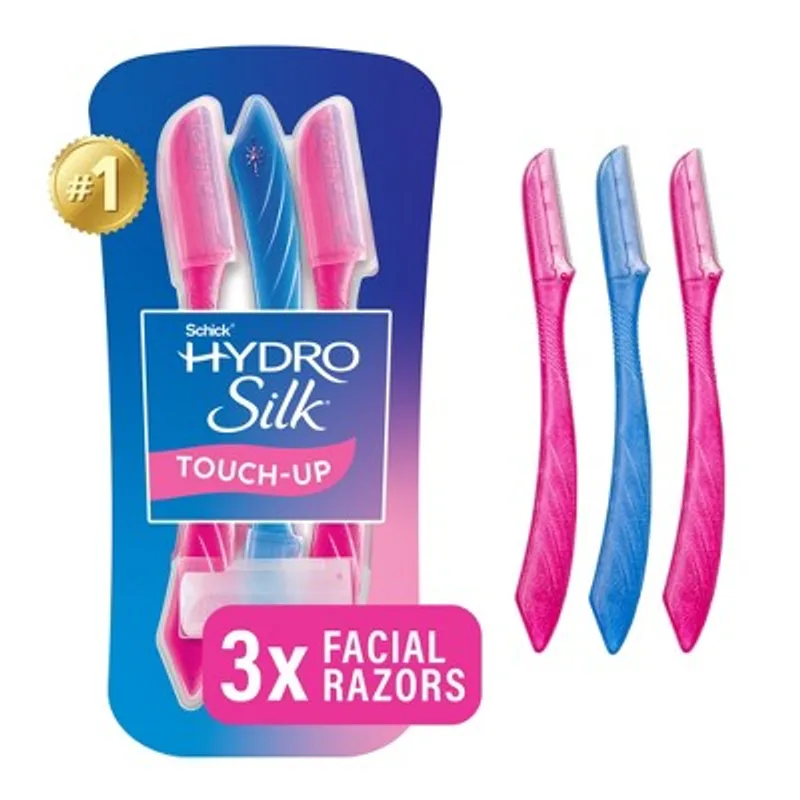 Budget PickSchick Hydro Silk Touch-Up Dermaplane Razor, 3 ct$5.22-$5.50as of Oct 11, 2026Read our take ↓
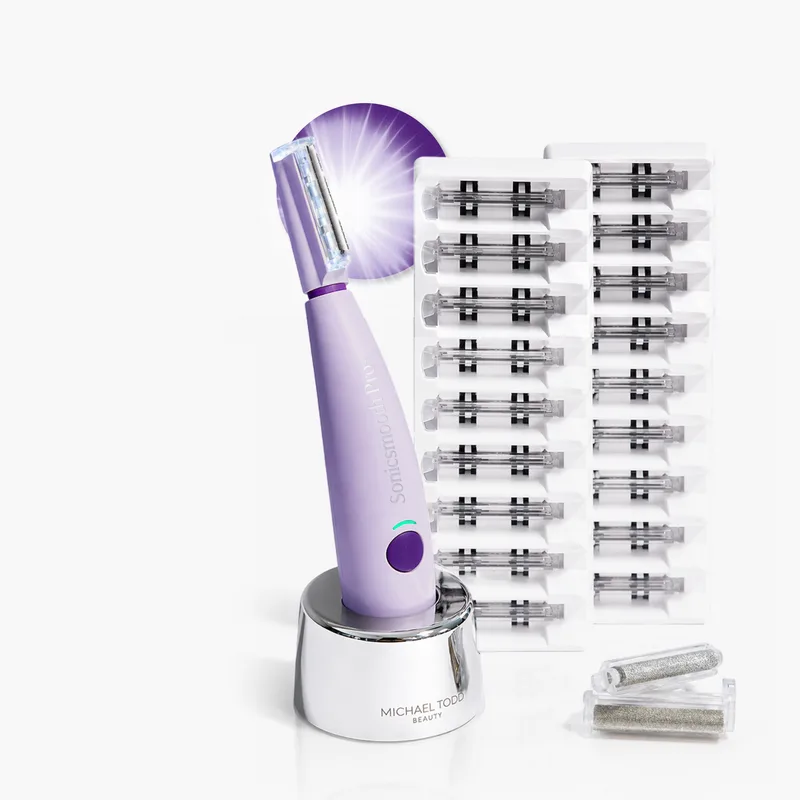 Worth the UpgradeMichael Todd Beauty Sonicsmooth Pro+ Dermaplaning System$129.00as of Oct 11, 2026Read our take ↓
What to Look For in an At-Home Dermaplaning Tool
Sonic vs. Manual
Sonic devices vibrate the blade at high speed, which lifts fine facial hair and dead skin so the edge doesn’t have to press as hard. Manual tools rely entirely on your hand angle and pressure. Sonic tools are more forgiving for beginners; manual tools are cheaper and don’t need charging.
Blade Type and Replacement Cost
Some tools use single-use blades or heads you toss after one session. Others use a reusable handle with replaceable blades that last several uses. Disposable options cost less upfront but add up if you dermaplane weekly. Reusable handles cost more at checkout but usually save money over months of use.
Safety Guards
A good dermaplaning tool has some kind of guard or cage between the blade and your skin. This is what keeps a swipe from turning into a nick, especially over bumpy areas like the jawline or around the nose.
Skin Type Fit
Dermaplaning works on most skin types, but it isn’t the best call if you have active cystic acne, open breakouts, or eczema flares in the area you’d be treating — dragging a blade over inflamed skin can spread bacteria or cause irritation. Calmer, non-active skin tolerates it well, including sensitive skin, as long as you’re gentle and use light pressure.
How Often to Use It
Most brands recommend dermaplaning once a week at most, with some lighter tools suggesting every 2 to 4 weeks. More frequent than that can lead to irritation or a five o’clock shadow feeling as hair grows back in.
Detailed Reviews
DERMAFLASH LUXE+ Sonic Dermaplaning Tool
The DERMAFLASH LUXE+ takes the top spot because it balances real sonic power with a design built for safety. It runs at 14,000 sonic movements per minute across two speeds, so you can go gentler over delicate areas and more assertive across the cheeks and jawline. A built-in guard sits between the blade and your skin the whole time, which is the main reason this is the pick to hand a first-timer.
It’s USB rechargeable, so you’re not buying batteries, but it is the priciest device here, and the 4 included blades will need restocking within a couple months if you’re using it weekly.
Best for: Anyone who wants a sonic-assisted first dermaplaning device with a strong safety margin.
Schick Hydro Silk Touch-Up Dermaplane Razor, 3 ct
The Schick Hydro Silk Touch-Up earns the budget pick because it does the job for about the price of a coffee. It’s a fully manual, disposable razor with a fine micro-guard blade, plus a precision cover you can flip around for eyebrow shaping. There’s no vibration or motor here, so more of the result depends on your own technique and blade angle.
The tradeoff is that disposable blades dull faster than a reusable metal handle, so you’ll want a fresh one every few uses rather than stretching a single razor for months.
Best for: Anyone testing out dermaplaning for the first time without committing to a device.
Michael Todd Beauty Sonicsmooth Pro+ Dermaplaning System
The Michael Todd Beauty Sonicsmooth Pro+ is the upgrade pick because it packs in features the other devices skip: three speed settings, 15,000 movements per minute, and built-in LED lights on the safety tip so you can actually see the fine hair you’re removing. It also ships with 16 blades plus 2 microdermabrasion tips, which is a bigger starter supply than most kits include.
It’s the most expensive tool in this roundup, and the initial charge takes 12 hours before you get your first 3 hours of cordless use. If you want the most full-featured device and don’t mind the price, it’s worth the jump from the LUXE+.
Best for: Anyone who wants LED visibility and microdermabrasion in the same handle.
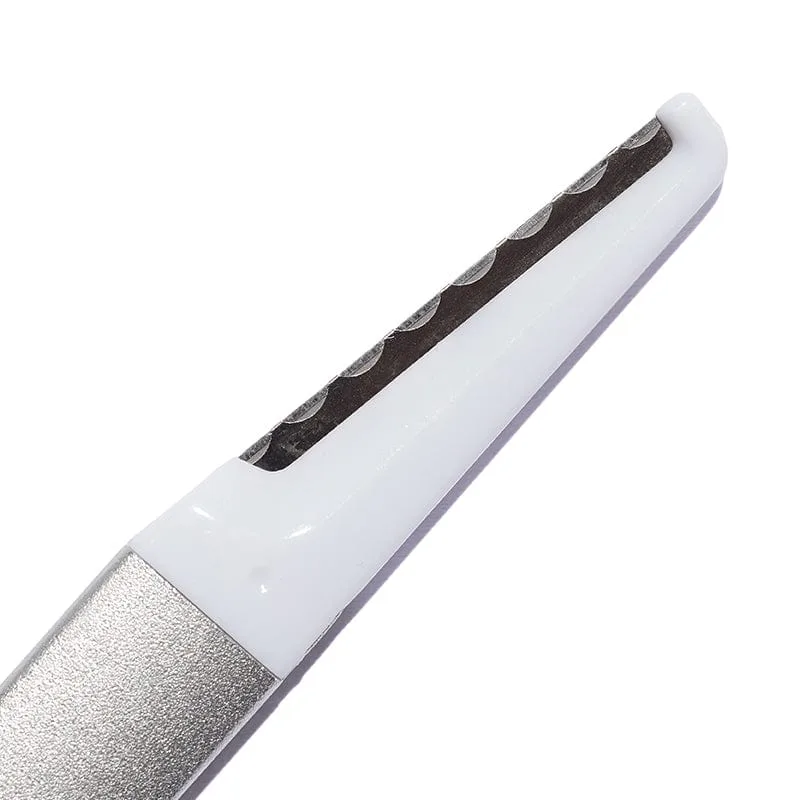
StackedSkincare Professional-Grade Dermaplaning Tool
The StackedSkincare Professional-Grade Dermaplaning Tool skips the electronics entirely in favor of a weighted aluminum handle that feels closer to what an esthetician actually uses. Byrdie has included it among its dermaplaning picks, and the heft of the metal handle makes it noticeably easier to control than a lightweight disposable razor.
Blades are replaceable rather than single-use, and the brand recommends swapping them every 4 uses. There’s no sonic assist, so all the control comes from your hand, and you’ll need to reorder blade refills separately.
Best for: Anyone who prefers a manual tool with real weight and precision over a battery-powered one.

Finishing Touch Flawless Dermaplane Glo
The Finishing Touch Flawless Dermaplane Glo is the most affordable device (not disposable razor) option here. It’s non-vibrating, so it functions more like a lighted manual razor than a true sonic tool, but the built-in LED helps you spot fine hair and buildup you’d otherwise miss. It runs on a single AAA battery instead of a rechargeable cell, and comes with 6 single-use replacement heads.
Because it skips vibration, results lean more on your own steady hand than the sonic picks above, and the single-use heads mean an ongoing cost similar to disposable razors over time.
Best for: Anyone who wants LED visibility without paying sonic-device prices.
How to Dermaplane at Home Safely
- Start on clean, dry skin — Oil, moisture, or product residue makes the blade drag instead of glide.
- Hold the tool at roughly a 45-degree angle — Too flat and it won’t catch hair; too steep and you raise nick risk.
- Use short, feathery strokes — Work in the direction hair grows, in small sections rather than one long pass.
- Avoid active breakouts — Skip areas with active cysts, open blemishes, or irritation, and reschedule until skin calms down.
- Follow up with SPF the next day — Freshly dermaplaned skin has no vellus hair buffer, so sun protection matters even more than usual.
- Replace blades on schedule — A dull blade tugs at hair instead of cutting it cleanly, which raises the odds of irritation.
| Spec | DERMAFLASH LUXE+ Sonic Dermaplaning Tool $199.00as of Oct 11, 2026 9 | Schick Hydro Silk Touch-Up Dermaplane Razor, 3 ct $5.22-$5.50as of Oct 11, 2026 8 | Michael Todd Beauty Sonicsmooth Pro+ Dermaplaning System $129.00as of Oct 11, 2026 9 | StackedSkincare Professional-Grade Dermaplaning Tool $79.00as of Oct 11, 2026 8 | Finishing Touch Flawless Dermaplane Glo $23.99as of Oct 11, 2026 7 |
|---|---|---|---|---|---|
| Type | Sonic electric device | Disposable manual razor | Sonic electric device with LED | Manual reusable razor | Non-vibrating electric device with LED |
| Speeds | 2 (gentle, invigorating) | — | 3 (low, medium, high) | — | — |
| Vibration | 14,000 sonic movements/min | — | 15,000 movements/min | — | — |
| Blades | 4 single-use Microfine Edge blades included | — | — | — | — |
| Power | USB rechargeable | None (manual, no battery) | — | None (manual, no battery) | 1 AAA battery (included, replaceable, not rechargeable) |
| Rating | 9 | 8 | 9 | 8 | 7 |
Prices change daily — tap Check Price for the current Amazon price.
Prices change daily — tap Check Price for the current Amazon price.
FAQ
Does dermaplaning make hair grow back thicker? No. Dermaplaning cuts hair at the surface, it doesn’t affect the hair follicle, so regrowth comes back at the same texture and thickness as before.
How often should I dermaplane at home? Most brands recommend once a week at most, and some lighter tools suggest spacing it out to every 2 to 4 weeks. More frequent use raises the chance of irritation.
Can I dermaplane if I have acne? It’s best to avoid the area if you have active cysts or open breakouts, since dragging a blade over inflamed skin can spread bacteria and cause more irritation. Calmer skin, including sensitive skin, generally tolerates it fine with light pressure.
Is a sonic device better than a manual razor? Not necessarily better, just different. Sonic devices lift hair and buildup so the blade doesn’t have to press as hard, which is more forgiving for beginners. Manual razors are cheaper and don’t need charging, but rely more on your own technique.
The Bottom Line
The DERMAFLASH LUXE+ is the safest starting point for most people, thanks to its sonic assist and built-in blade guard. If you just want to try dermaplaning without committing much money, the Schick Hydro Silk Touch-Up gets it done for a few dollars. Want more power and visibility, and don’t mind paying for it? The Michael Todd Beauty Sonicsmooth Pro+ adds LED lighting and microdermabrasion tips on top of a stronger sonic motor.
If you’d rather skip batteries altogether, the StackedSkincare Professional-Grade Dermaplaning Tool gives you a weighted, esthetician-style manual option, and the Finishing Touch Flawless Dermaplane Glo splits the difference with LED visibility at a disposable-razor price.
For the rest of your exfoliation routine, check our picks for niacinamide serums and acne-safe face washes to pair with freshly dermaplaned skin.