These recommendations are not medical advice. Consult a dermatologist for persistent skin concerns. LED devices have contraindications including light sensitivity, epilepsy, certain medications, and pregnancy.
Red light masks used to mean two options: a $50 novelty on Amazon or a $400+ device from Omnilux or CurrentBody. That gap has closed. Brands like RENPHO, JOVS, and Wavytalk now sell full-face masks with 250+ LEDs and multiple wavelengths for well under $200. You don’t have to choose between “basically a nightlight” and a mortgage payment anymore.
This roundup only includes masks priced under $200 as of today, all currently in stock. We’re not claiming these match clinical-grade devices like Omnilux LED-for-LED. But the wavelengths (red, blue, near-infrared) are the same ones dermatology research points to, and the LED counts here are high enough to matter.
Quick Picks
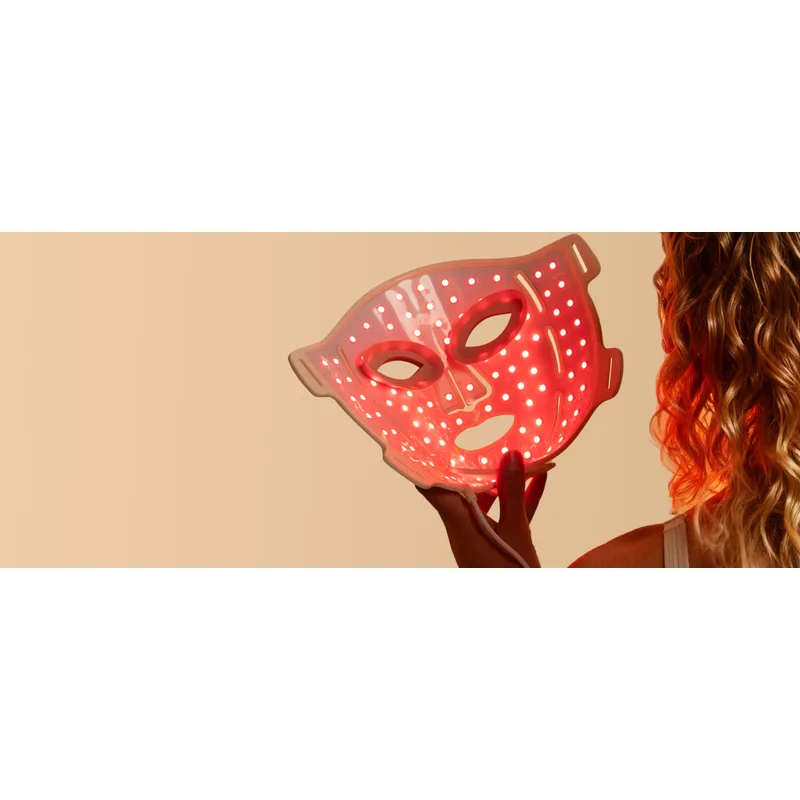 Best OverallRENPHO Artemis Red Light Therapy Mask$169.99as of Oct 11, 2026Read our take ↓
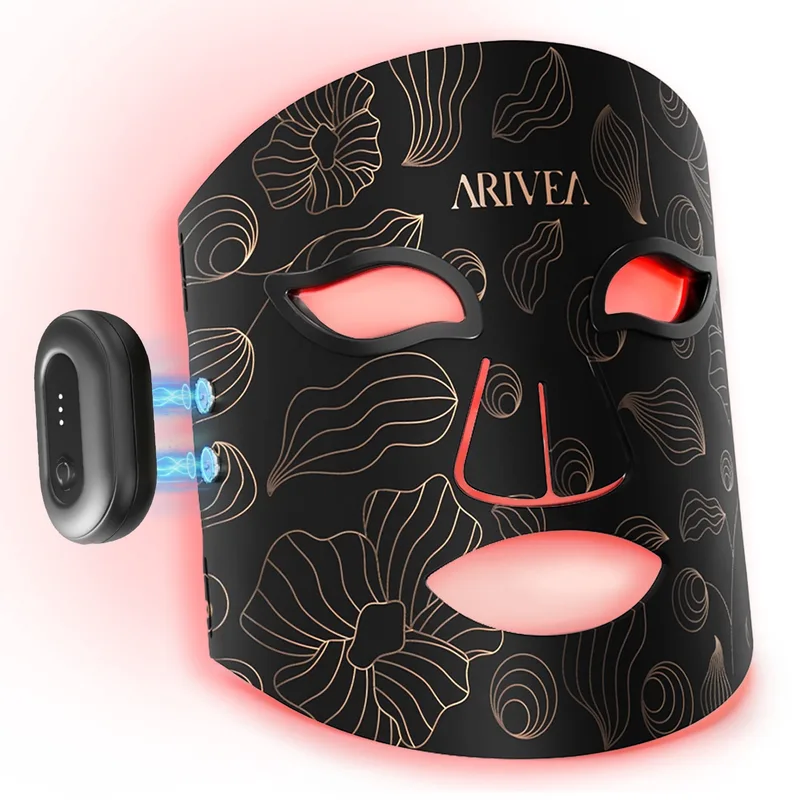 Budget PickArivea Red Light Therapy Mask for Face$99.99as of Oct 11, 2026Read our take ↓
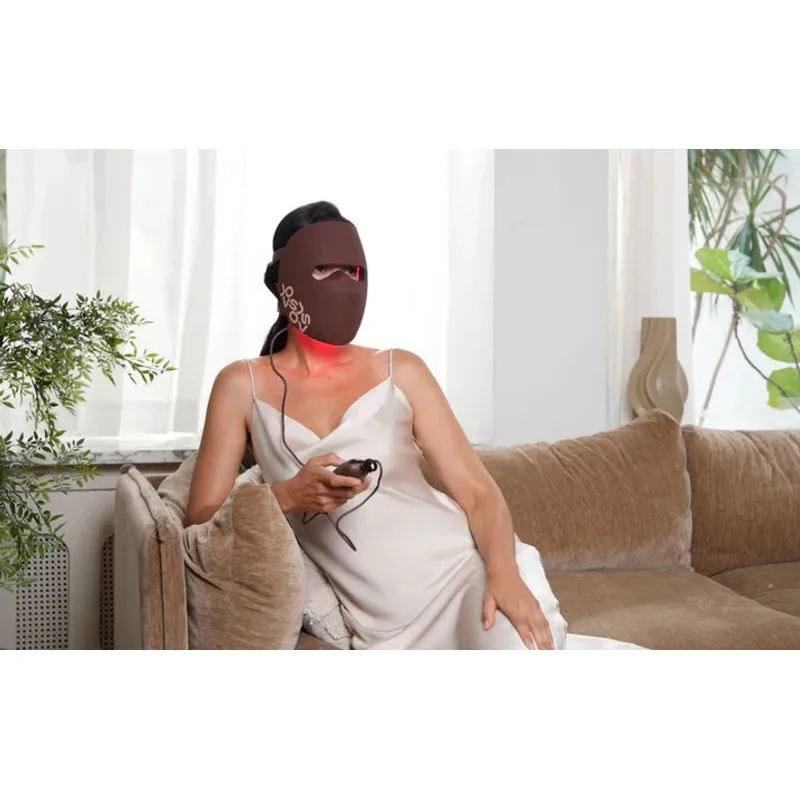 Worth the UpgradeJOVS LED Light Therapy Face Mask$199.00as of Oct 11, 2026Read our take ↓
What to Look for Under $200
LED Count and Coverage
More LEDs generally means more even coverage across your face, especially near the jaw and forehead edges where masks with fewer LEDs sometimes leave gaps. Anything above 250 LEDs is a reasonable floor for full-face coverage in this price bracket.
Wavelengths, Not Just Colors
Red light (around 630nm) is the one most linked to collagen support. Near-infrared (830-850nm) goes deeper and is often paired with red for a fuller anti-aging effect. Blue light (415-460nm) is the one marketed for acne-prone skin. If acne is your main concern, make sure blue light is included, not just red and NIR.
Session Time and Modes
Masks in this range run anywhere from 4-minute preset cycles to 30-minute customizable sessions. Shorter presets mean you’ll need more sessions per week to hit the same weekly dose as a mask with longer sessions. Neither approach is wrong, it’s just a routine trade-off.
Regulatory Status
“FDA-cleared” means a brand submitted evidence to the FDA and got a formal go-ahead for a specific claim. It’s a meaningfully higher bar than a brand simply registering a device or calling it “FDA-compliant” in marketing copy. Only RENPHO’s listing in this roundup makes an explicit FDA-cleared claim; treat similar wording from other brands as a company claim rather than independently verified.
Detailed Reviews
RENPHO Artemis Red Light Therapy Mask
RENPHO’s Artemis mask is the most complete package under $200. It packs 324 LEDs across three wavelength combinations: red plus near-infrared for collagen support, blue plus near-infrared for acne-prone skin, and a combined mode that runs all three at once.
The auto-shutoff timer gives you three session lengths (10, 20, or 30 minutes), so you can start short and work up. Independent reviews from T3 and The Gadgeteer both called it comfortable for a full session and noted visible improvements in texture with consistent use over several weeks.
The silicone shell flexes to different face shapes better than the rigid masks in the premium tier, though it still won’t fit everyone identically.
Best for: Anyone who wants one mask that handles both anti-aging and acne-prone skin without paying premium-tier prices.
Arivea Red Light Therapy Mask for Face
Arivea is the cheapest full-face option here, and it doesn’t cut LED count as much as you’d expect at this price. 272 LEDs across red, blue, and infrared wavelengths, in a cordless, rechargeable design that’s light enough to travel with.
The trade-off shows up in the mode design: you pick one wavelength at a time instead of a combined setting, and the brand’s FDA claims aren’t backed by the kind of documentation RENPHO provides. For a first mask or a lower-commitment way to try red light therapy, it’s a reasonable entry point.
Best for: First-time buyers who want to try red light therapy without spending $150+.
JOVS LED Light Therapy Face Mask
JOVS is the only mask in this roundup with a true amber light mode, which is the wavelength most associated with calming redness and evening out tone rather than acne or fine lines specifically. Pair that with red, near-infrared, and blue, and you get four distinct wavelengths in one device.
Three intensity settings (Soothing, Standard, Deep) let you scale treatment up as your skin adjusts, and three timer lengths (10, 15, or 20 minutes) add flexibility most masks in this range don’t offer. At $199, it’s priced right at the ceiling of this roundup, but the extra wavelength and mode options are the reason it’s here instead of in the premium tier.
Best for: Buyers who want the widest range of wavelengths and intensity control without crossing into $300+ territory.
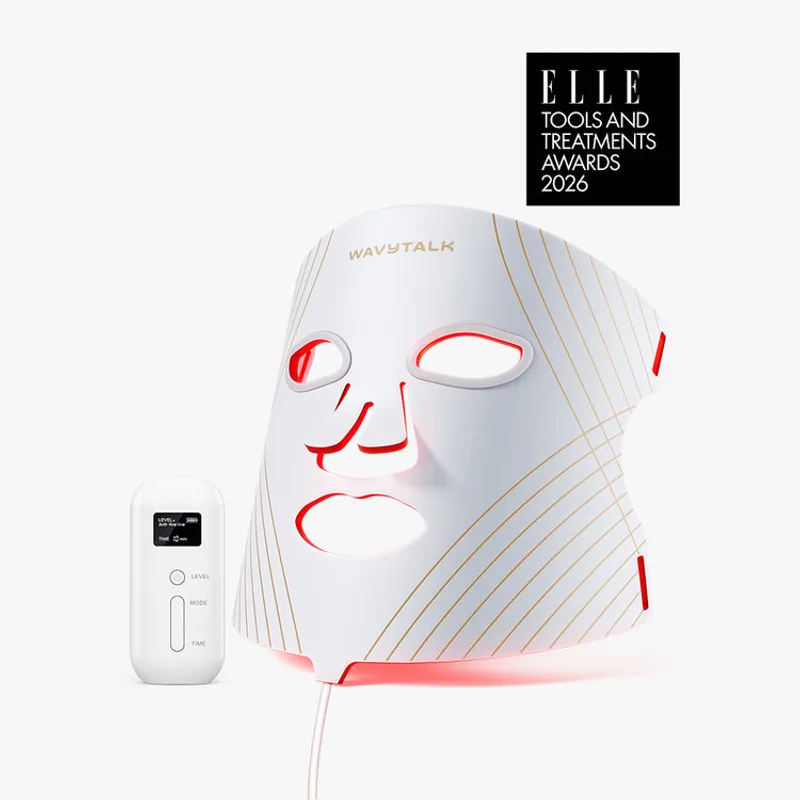
Wavytalk Red Light Therapy Mask for Face
Wavytalk’s mask has the highest LED count in this roundup at 456 chips, split across three purpose-built modes: anti-fine-line (red plus NIR), anti-acne (blue plus red), and a rejuvenation mode using amber light. That’s a lot of targeted coverage for a mask under $200.
The brand publishes a 40mW/cm² power density figure, which is a reasonable number for this category, though it comes from Wavytalk directly rather than an independent lab test. At $179, it’s one of the pricier picks here, but the LED density and three-mode design make the case for it if coverage is your top priority.
Best for: People who want the densest LED coverage available under $200.
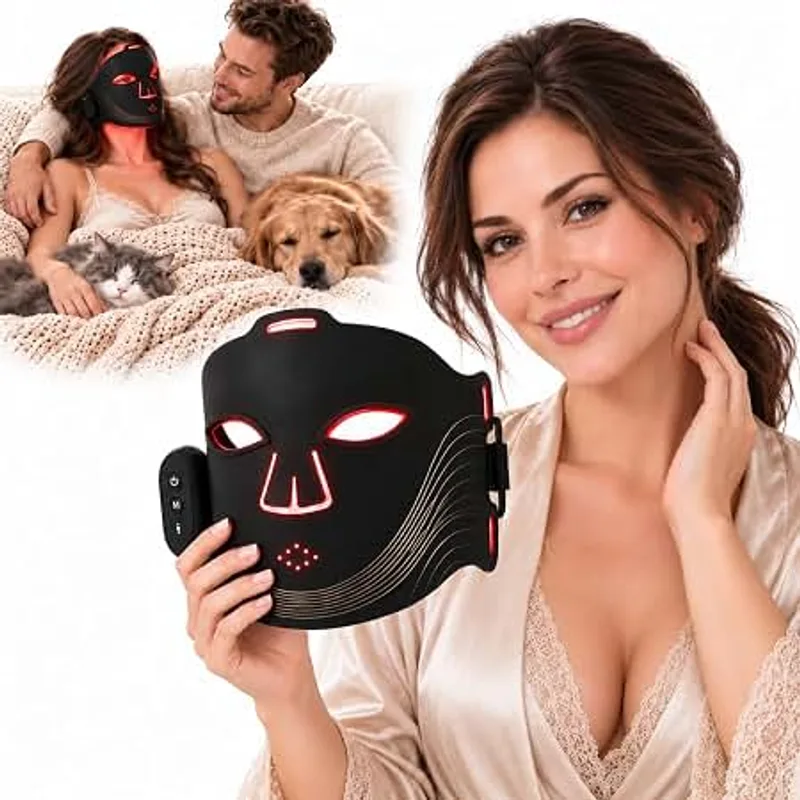
Medisana 3D Red Light Therapy Mask
Medisana takes a different approach: instead of letting you pick session length, it runs three preset programs tuned to specific goals — a 6-minute anti-aging cycle, an 8-minute acne care cycle, and a 4-minute brightening cycle. That removes some flexibility but also removes the guesswork.
Its 5200mAh battery is the largest in this lineup, rated for 3-4 hours of total runtime per charge, and the mask itself weighs under a pound. The shorter preset sessions mean you’ll likely need to use it more often per week than a mask with longer customizable sessions to see similar results.
Best for: Buyers who want a mask that tells them exactly how long to use it, with less setup thinking required.
Who Should Skip LED Masks Entirely
LED therapy is generally considered safe, but it’s not for everyone. Talk to a dermatologist first if you’re pregnant, have a light-sensitivity condition like lupus or porphyria, have epilepsy, or take photosensitizing medications like retinoids or certain antibiotics. Skip use over active cold sores or open wounds.
FAQ
Q: Are budget red light masks as good as $400+ options like Omnilux?
A: Not identically. Premium masks generally publish clinical validation data that most budget brands don’t have. But the wavelengths used in masks like these are the same ones dermatology research points to, and LED counts above 250 are enough for meaningful full-face coverage.
Q: How long until I see results?
A: Most brands recommend 8-12 weeks of consistent use (3-5 sessions weekly) before judging results. Don’t expect visible changes in the first two weeks.
Q: Do I need blue light if I don’t have acne?
A: No. If your main concern is fine lines and firmness, red plus near-infrared covers that. Blue light is specifically marketed for acne-prone skin.
Q: Can I use these with retinol or other actives?
A: Apply LED treatment to clean, dry skin and skip photosensitizing actives like retinol or exfoliating acids right before a session. Apply your regular serums and moisturizer afterward.
Q: Is FDA clearance necessary for a mask to work?
A: Not necessarily, but it’s the strongest evidence a brand can point to. A mask without FDA clearance can still use effective wavelengths, you’re just relying more on the brand’s own claims and user reports.
The Bottom Line
You don’t need to spend $400 to get a legitimate full-face LED mask anymore. The RENPHO Artemis is the most complete option under $200, with the widest mode range and independent reviews to back it up. If you’re not ready to commit that much, the Arivea mask gets you into red light therapy for around $110.
Whichever mask you pick, the biggest factor in results isn’t the brand, it’s consistency. Plan on 8-12 weeks of regular sessions before deciding whether it’s working for you.
| Spec | RENPHO Artemis Red Light Therapy Mask $169.99as of Oct 11, 2026 8.9 | Arivea Red Light Therapy Mask for Face $99.99as of Oct 11, 2026 8.3 | JOVS LED Light Therapy Face Mask $199.00as of Oct 11, 2026 8.6 | Wavytalk Red Light Therapy Mask for Face $99.98as of Oct 11, 2026 8.4 | Medisana 3D Red Light Therapy Mask $119.99as of Oct 11, 2026 8.2 |
|---|---|---|---|---|---|
| LED Count | 324 medical-grade LEDs | 272 high-density LEDs | — | 456 LED chips | 336 LEDs (112 tri-wavelength chips) |
| Wavelengths | 630nm Red, 460nm Blue, 850nm Near-Infrared | 630nm Red, 460nm Blue, 850nm Infrared | 460nm Blue, 590nm Amber, 660nm Red + 850nm NIR | 630nm Red + 850nm NIR, 415nm Blue + 630nm Red, 590nm Amber | 415nm Blue, 630nm Red, 830nm Near-Infrared |
| Modes | 3 (Red+NIR, Blue+NIR, Red+Blue+NIR combo) | 3 (Red, Blue, Infrared, used separately) | 4, with Soothing, Standard, and Deep intensity settings | 3 (Anti-Fine Line, Anti-Acne, Rejuvenation) | 3 preset (Anti-Aging 6 min, Acne Care 8 min, Brightening 4 min) |
| Session Timer | 10, 20, or 30-minute auto shut-off | 15-minute auto shut-off | 10, 15, or 20-minute options | — | — |
| Battery | 2000mAh, about 2.5-hour charge | — | 80-120 minute runtime per charge, about 2-hour charge time | — | 5200mAh, 3-4 hour runtime per charge |
| Rating | 8.9 | 8.3 | 8.6 | 8.4 | 8.2 |
Prices change daily — tap Check Price for the current Amazon price.
Prices change daily — tap Check Price for the current Amazon price.