These recommendations are not medical advice. Consult a dermatologist for persistent skin concerns.
Azelaic acid has been quietly building a following for years, but 2026 is the year it stopped being a niche pick. Dermatologists have been talking about it constantly on social media, and it’s shown up in more new launches than almost any other active this year — mostly because it does a little bit of everything: redness, texture, post-acne marks, and even mild breakouts, without the sting that comes with stronger acids. We checked five well-reviewed azelaic acid products against live Amazon listings, from a $13 drugstore staple to a niacinamide-boosted serum that layers three actives into one step.
Quick verdict: Naturium Azelaic Topical Acid 10% Serum (around $20) is the best overall pick — it pairs a gentler azelaic acid derivative with niacinamide and vitamin C for tone and texture in one bottle. The Ordinary Azelaic Acid Suspension 10% (around $13) is the budget pick, with straight 10% azelaic acid at the lowest price here. Paula’s Choice 10% Azelaic Acid Booster (around $39) is worth the upgrade if breakouts are your main concern — it adds salicylic acid for extra pore-clearing power.
Quick Picks
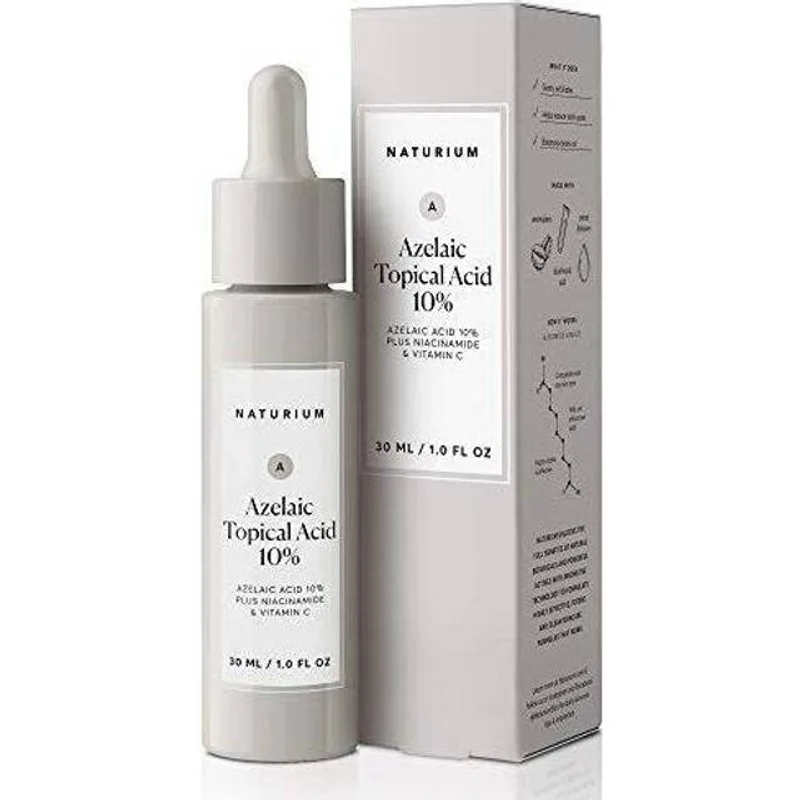 Best OverallNaturium Azelaic Topical Acid 10% Serum (1 fl oz)$18.89-$19.88as of Oct 11, 2026Read our take ↓
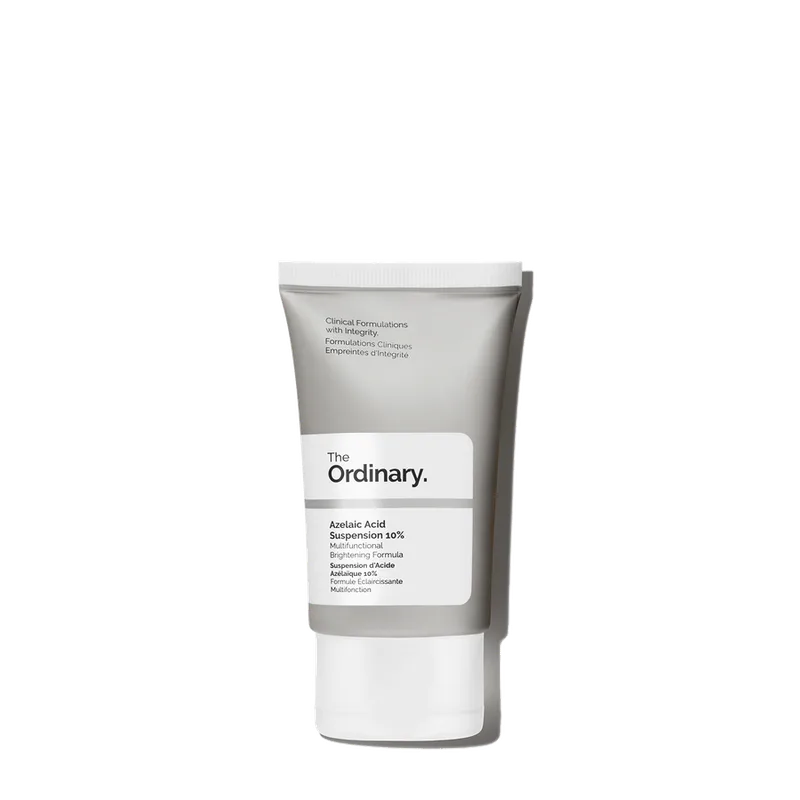 Budget PickThe Ordinary Azelaic Acid Suspension 10% (1 fl oz / 30 mL)$12.20as of Oct 11, 2026Read our take ↓
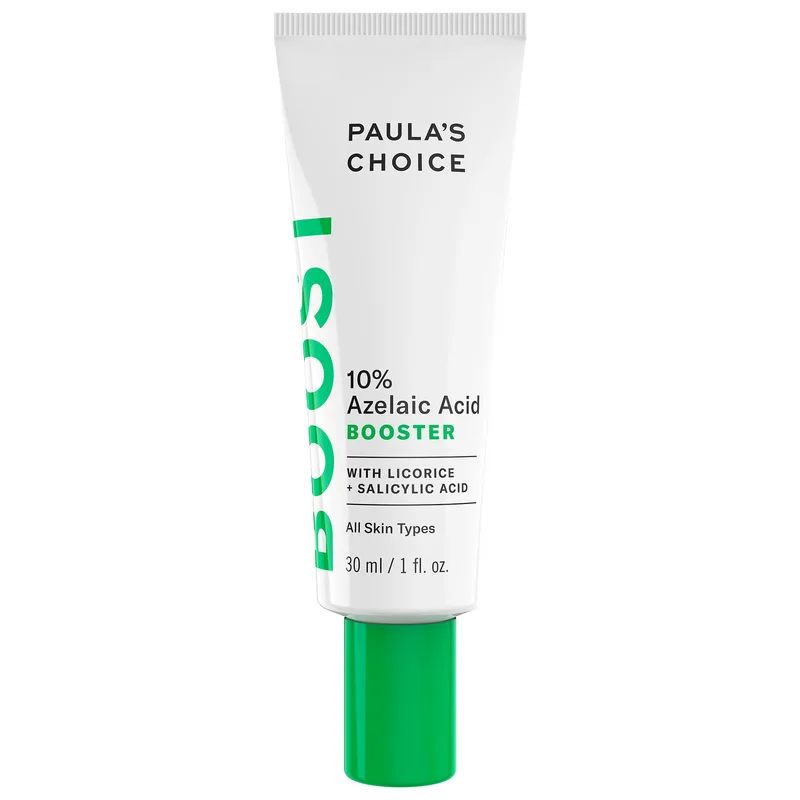 Worth the UpgradePaula's Choice 10% Azelaic Acid Booster (1 fl oz)$39.90-$42.00as of Oct 11, 2026Read our take ↓
How We Evaluate
Every product here was checked against live Amazon listings when we published — current names, availability, and pricing (listed as around $X since prices shift). For azelaic acid products specifically, we looked at whether the formula uses pure azelaic acid or a gentler derivative, what else is layered in for extra benefit or calming, texture and how it wears under other products, and whether the formula is built with sensitive or redness-prone skin in mind.
What Azelaic Acid Actually Does
Azelaic acid is a naturally occurring acid found in grains like wheat, rye, and barley, and it’s one of the few actives that works on multiple skin concerns at once. It calms visible redness, which is why it’s a dermatologist go-to for rosacea-prone skin. It also helps fade the look of post-acne marks and uneven tone, and at higher concentrations it can help with mild congestion and breakouts, similar to how salicylic acid works inside pores.
What sets it apart from stronger exfoliating acids is how gentle it tends to be. Most people can use it daily without the redness or peeling that comes with higher-strength AHAs or retinoids, which is why it’s become a starting point for people who want results without irritation. Some products use pure azelaic acid, while others use a derivative like potassium azeloyl diglycinate, which is formulated to be even more gentle while still targeting the same concerns.
Patch Test First, and Watch Sun Sensitivity
Even though azelaic acid is one of the gentler actives, it’s still an active ingredient, so patch test any new product on a small area of skin for a few days before applying it to your full face. This matters more if you have very reactive or eczema-prone skin. Azelaic acid isn’t as photosensitizing as retinoids or AHAs, but any active that’s working on your skin’s surface makes daily sunscreen more important, not less. If you’re pairing it with other exfoliating acids or retinol, introduce it slowly and give your skin a break if you notice stinging, excess dryness, or new irritation. For more on layering actives without overloading your skin, see our guide on layering skincare in the right order.
Detailed Reviews
1. Naturium Azelaic Topical Acid 10% Serum - Best Overall
Naturium Azelaic Topical Acid 10% Serum (1 fl oz)
Naturium’s serum uses potassium azeloyl diglycinate, a glycinated form of azelaic acid that’s designed to be gentler than the straight acid while still targeting redness and uneven tone. What makes it stand out here is the supporting cast: niacinamide for tone and texture, plus a vitamin C derivative for a brightening boost, all in one lightweight, fast-absorbing serum.
The trade-off is that the derivative form may work a little more gradually than a 10% pure azelaic acid formula, and the vitamin C can feel slightly tacky under heavier sunscreens. For most people who want one serum that handles redness, texture, and tone without extra irritation, this is the easiest one to start with.
2. The Ordinary Azelaic Acid Suspension 10% - Budget Pick
The Ordinary Azelaic Acid Suspension 10% (1 fl oz / 30 mL)
The Ordinary’s Azelaic Acid Suspension has been a cult favorite for years, and it’s still the cheapest way to get a straight 10% azelaic acid formula. It’s a thick, cream-like suspension rather than a runny serum, which means it sits on top of skin a bit longer before absorbing, but it works well as a standalone step or mixed into your regular moisturizer if the texture feels heavy on its own.
It doesn’t come with any added niacinamide or antioxidants, so what you see is what you get: azelaic acid and a simple base. Some users with darker skin tones note a slight cast if it’s applied too thickly. For anyone who just wants to try azelaic acid without spending much, this is still the one to beat.
3. Paula’s Choice 10% Azelaic Acid Booster - Worth the Upgrade
Paula's Choice 10% Azelaic Acid Booster (1 fl oz)
Paula’s Choice layers salicylic acid (BHA) and licorice root extract on top of its 10% azelaic acid, which makes this the pick built for breakouts specifically, not just redness and tone. The oil-free cream-gel texture works alone or mixed into a moisturizer, and the BHA gives it real pore-clearing action that the single-ingredient formulas here don’t have.
It costs more per ounce than the drugstore picks, and combining azelaic acid with an added BHA means paying closer attention if you’re also using other exfoliating acids elsewhere in your routine. If breakouts and clogged pores are your main concern alongside redness, this is the one worth the extra cost.
4. The INKEY List SuperSolutions Azelaic Acid 10% Serum - Best for Redness and Rosacea
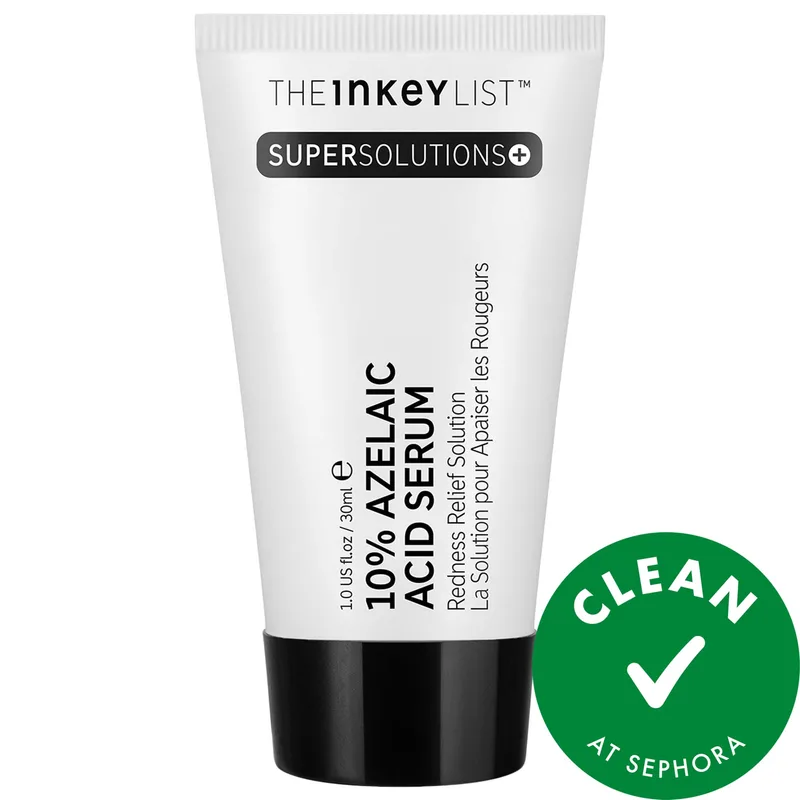
The INKEY List SuperSolutions Azelaic Acid 10% Serum (1.01 fl oz)
INKEY List built this serum specifically around redness relief, right down to the green-tinted formula that visually cancels redness the moment you apply it, on top of what the azelaic acid does over time. Allantoin is added to soothe reactive skin further, and the fast-absorbing, non-pilling texture makes it easy to layer under other products.
The green tint can look slightly off on very fair or very deep skin tones until it fully blends in, and this formula skips the niacinamide and vitamin C extras that some other picks include. For rosacea-prone or easily flushed skin that wants visible and gradual redness relief, this is the most targeted option here.
5. Anua Azelaic Acid 10 Hyaluron Redness Soothing Serum - Best K-Beauty Pick
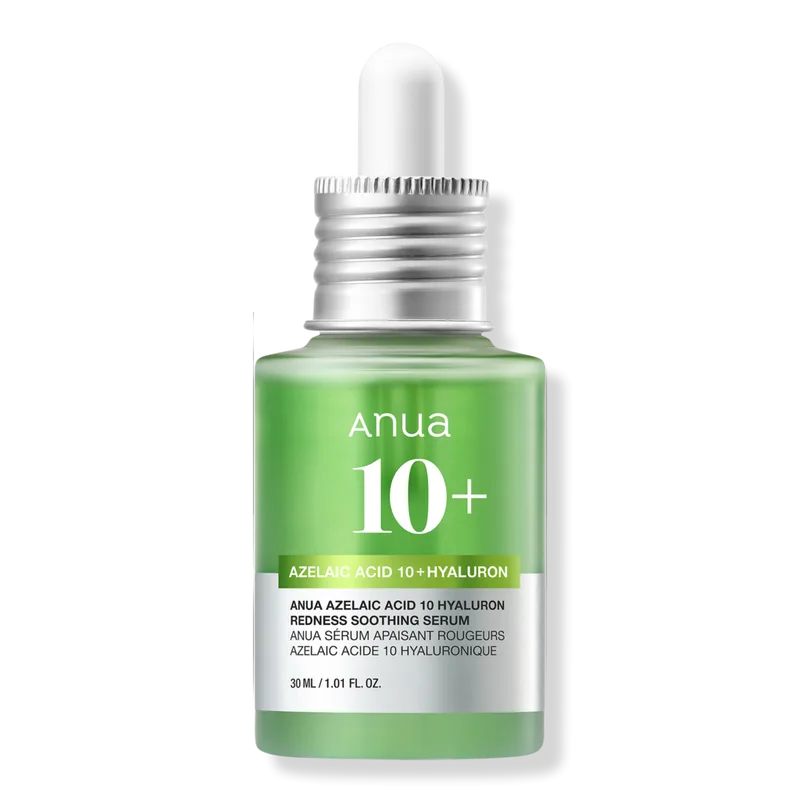
Anua Azelaic Acid 10 Hyaluron Redness Soothing Serum (1.01 fl oz)
Anua’s serum pairs 10% azelaic acid with hyaluronic acid and a cica (centella asiatica) complex, which adds real hydration and calming on top of the azelaic acid’s redness and texture work. It’s fragrance-free, non-comedogenic, and priced lower per ounce than any other serum in this lineup, which is part of why it’s become a K-beauty favorite for reactive, blemish-prone skin.
The long ingredient list makes it harder to pinpoint the source of a reaction if your skin is very sensitive, and Amazon stock on Anua products has run inconsistent at times, so it’s worth double-checking availability before you commit. For anyone who wants azelaic acid with extra hydration and calming built in, it’s a strong, affordable option.
| Spec | Naturium Azelaic Topical Acid 10% Serum (1 fl oz) $18.89-$19.88as of Oct 11, 2026 9.2 | The Ordinary Azelaic Acid Suspension 10% (1 fl oz / 30 mL) $12.20as of Oct 11, 2026 8.9 | Paula's Choice 10% Azelaic Acid Booster (1 fl oz) $39.90-$42.00as of Oct 11, 2026 9 | The INKEY List SuperSolutions Azelaic Acid 10% Serum (1.01 fl oz) $19.00-$20.00as of Oct 11, 2026 8.7 | Anua Azelaic Acid 10 Hyaluron Redness Soothing Serum (1.01 fl oz) $20.90-$22.00as of Oct 11, 2026 8.8 |
|---|---|---|---|---|---|
| activeIngredient | Potassium Azeloyl Diglycinate 10% (glycinated azelaic acid derivative) | Azelaic Acid 10% | Azelaic Acid 10% | Azelaic Acid 10% | Azelaic Acid 10% |
| supportingIngredients | Niacinamide, ethyl ascorbic acid (vitamin C), coffee seed extract | Squalane, isodecyl neopentanoate | Salicylic acid (BHA), licorice root extract | Allantoin 0.3%, green-tinted pigment | Sodium hyaluronate, niacinamide, centella asiatica (cica) complex |
| size | 1 fl oz / 30 mL | 1 fl oz / 30 mL | 1 fl oz / 30 mL | 1.01 fl oz / 30 mL | 1.01 fl oz / 30 mL |
| texture | Lightweight, fast-absorbing serum | Thick, cream-like suspension | Oil-free cream-gel | Fast-absorbing, non-pilling serum | Lightweight, hydrating gel-serum |
| skinType | Oily, sensitive, and blemish-prone skin | Uneven tone and blemish-prone skin, most skin types | All skin types, especially acne-prone | Sensitive, redness-prone, and rosacea-prone skin | Blemish-prone, oily-prone, and redness-prone skin |
| Rating | 9.2 | 8.9 | 9 | 8.7 | 8.8 |
Prices change daily — tap Check Price for the current Amazon price.
Prices change daily — tap Check Price for the current Amazon price.
If redness is your main concern, our roundup of moisturizers for dry, sensitive skin pairs well with any of these picks, and our ceramide moisturizers roundup covers the barrier-support side of a redness-focused routine. If you’re weighing azelaic acid against other actives, our retinol, retinal, and bakuchiol guide breaks down how it stacks up against other options.
FAQ
What’s the best azelaic acid product overall?
Naturium Azelaic Topical Acid 10% Serum is the best overall pick. It pairs a gentler azelaic acid derivative with niacinamide and vitamin C, so it handles redness, texture, and tone in one step.
Is azelaic acid better than retinol for redness?
They target different things. Azelaic acid is generally gentler and works well specifically on redness and rosacea-prone skin, while retinol focuses more on fine lines and cell turnover. Many routines use both, just not layered on the same night at first.
Can I use azelaic acid every day?
Most formulas are gentle enough for daily AM and PM use, but always patch test first and introduce it slowly if you’re also using other actives like retinol or exfoliating acids.
Does azelaic acid help with acne?
Azelaic acid is marketed for mild acne and post-acne marks, and formulas that add salicylic acid, like Paula’s Choice, target clogged pores more directly. For persistent or severe acne, talk to a dermatologist about prescription-strength options.
Do I need sunscreen if I use azelaic acid?
Yes. Azelaic acid isn’t as photosensitizing as retinoids or AHAs, but any active ingredient on your skin makes daily sunscreen more important, not less.
The Bottom Line
Azelaic acid earns its growing reputation by doing a lot without asking much of your skin in return. Naturium is the smartest all-around buy if you want tone, texture, and redness support in one bottle, The Ordinary is the cheapest way to try it, and Paula’s Choice is worth the splurge if breakouts are part of the picture. INKEY List and Anua round things out for redness-prone and hydration-focused skin. Whichever you pick, patch test first, keep your sunscreen habit steady, and give it a few weeks before judging results.