Safety note: Chemical exfoliants increase sun sensitivity — daily broad-spectrum SPF 30+ sunscreen is non-negotiable while using any product on this page. Patch-test every new acid on your inner forearm for 24-48 hours, introduce only one acid at a time, and never layer multiple exfoliants in the same routine. If you experience persistent stinging, redness, or peeling, stop use. These recommendations are not medical advice. Consult a dermatologist for persistent skin concerns.
Skincare routines crash most often at chemical exfoliants. Acids aren’t the problem. Going too strong, too fast is. Understanding the three acid families helps. Start with the gentlest match for your skin. This guide breaks down AHA versus BHA versus PHA in plain language. Then ranks six beginner-safe products we verified against live Amazon listings.
Quick verdict: Clogged pores or blackheads your main issue? Paula’s Choice 2% BHA Liquid (around $30) wins as your starting exfoliant. It’s skincare’s most proven leave-on acid. Dry or sensitive skin? The Ordinary Lactic Acid 5% + HA (around $8) offers the gentlest, cheapest entry. Truly reactive skin needs even softer—grab The Inkey List PHA Toner (around $18).
Quick Picks
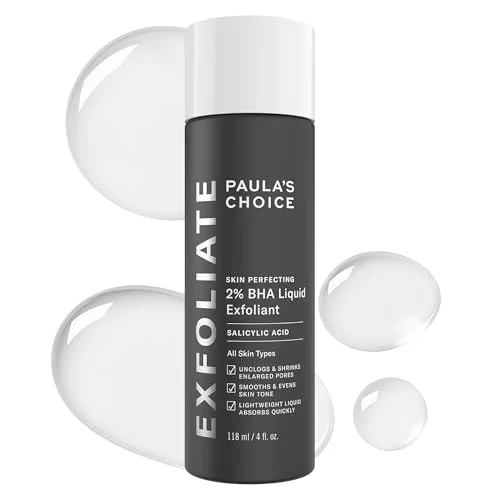 Best OverallPaula's Choice Skin Perfecting 2% BHA Liquid Exfoliant$35.15-$37.00as of Oct 11, 2026Read our take ↓
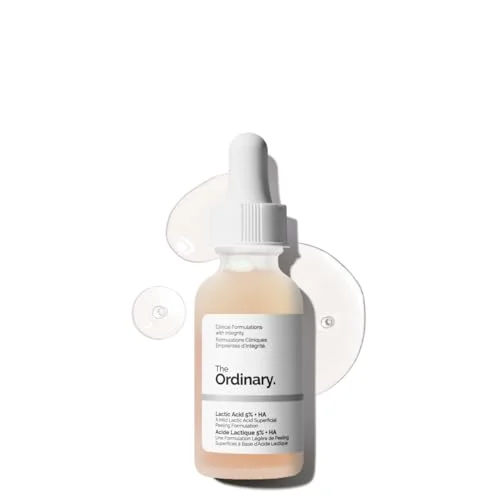 Budget PickThe Ordinary Lactic Acid 5% + Hyaluronic Acid 2%$8.10as of Oct 11, 2026Read our take ↓
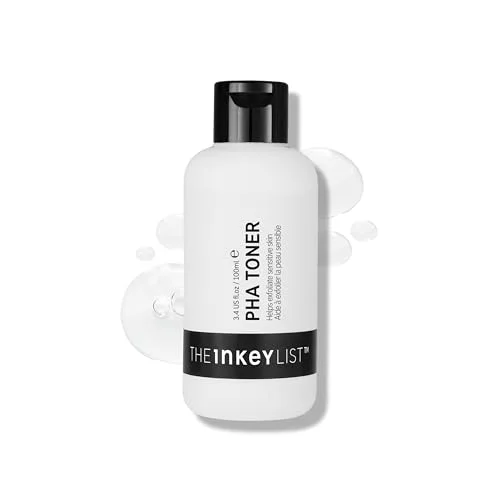 Best PHAThe Inkey List PHA Toner$17.10-$18.00as of Oct 11, 2026Read our take ↓
AHA vs BHA vs PHA: The Two-Minute Version
AHAs (alpha hydroxy acids) — glycolic, lactic, mandelic — dissolve in water and act on your surface. Dead cell bonds break down. They’re your pick for dullness, rough patches, and uneven tone. Gentleness scale: mandelic (gentlest, largest molecule) → lactic → glycolic (strongest, smallest molecule).
BHA (beta hydroxy acid) — salicylic acid — dissolves in oil. Exfoliates your surface plus the inside of your pores. Your pick for blackheads, clogs, oily or blemish-prone skin.
PHAs (polyhydroxy acids) — gluconolactone, lactobionic acid — work like oversized AHA cousins. Large molecules can’t penetrate deeply. Slow surface exfoliation while pulling in moisture. Your pick for sensitive, redness-prone, or compromised barriers that reject the other two.
Beginner basics: lowest strength first. Once or twice weekly in the evening. Wait two full weeks of zero irritation before increasing frequency. Sunscreen every morning without fail.
How We Evaluate
We verified every product against live Amazon listings at publication. Current names, availability, pricing (shown as around $X because prices shift) all checked. Beginner exfoliant priorities: low-to-moderate acid strength, buffering ingredients (hyaluronic acid, niacinamide, anti-irritants), fragrance-free formulas, clear usage instructions, value per ounce. Anything exceeding 10% AHA or using aggressive acid combos got excluded as non-beginner.
Detailed Reviews
1. Paula’s Choice 2% BHA Liquid Exfoliant - Best Overall
Paula's Choice Skin Perfecting 2% BHA Liquid Exfoliant
This earns its title as skincare’s most recommended leave-on exfoliant. 2% salicylic acid at effective pH. Lightweight liquid gentle enough for daily buildup. BHA dissolves in oil, so it clears pore debris AHAs can’t touch. Blackheads and rough, congested texture respond powerfully.
Beginner approach: cotton pad or fingertips after cleansing. Two to three evenings weekly. Never rinse. The slightly oily feel seems weird your first week. That’s formula, not leftover gunk. Around $30 for 4 oz beats budget picks in price. But one bottle lasts months and the proven track record stands alone.
2. The Ordinary Lactic Acid 5% + HA - Budget Pick
The Ordinary Lactic Acid 5% + Hyaluronic Acid 2%
Never tried an acid before and your skin leans dry or sensitive? This is your safest ramp. Modest 5% lactic acid. Cushioned with 2% hyaluronic acid plus Tasmanian Pepperberry to counter irritation. Lactic’s larger molecule penetrates slower than glycolic. Less sting for almost identical smoothing over time.
Apply one or two evenings weekly post-cleansing. Moisturizer next. Four to six weeks minimum. Around $8 makes it your cheapest test run for how your skin handles exfoliation. If 5% feels like nothing after a few weeks, The Ordinary offers a 10% version to graduate into.
3. The Inkey List PHA Toner - Best PHA
The Inkey List PHA Toner
Skin flushes, stings, or reacts to almost everything? PHAs are the exfoliant dermatologists recommend first. This version combines 3% PHA with 3% niacinamide. Barrier support while gentle smoothing happens. PHAs act as humectants, so it hydrates instead of parching. Fragrance-free and mild enough for many users morning and night.
Set your expectations right. PHA delivers the subtlest results among the three families. Gradual texture improvement and glow, not aggressive resurfacing. But sensitive beginners finishing this bottle with zero irritation win bigger than abandoning stronger acids after a red, flaky week.
4. The Ordinary Glycolic Acid 7% Toner - Best AHA Toner
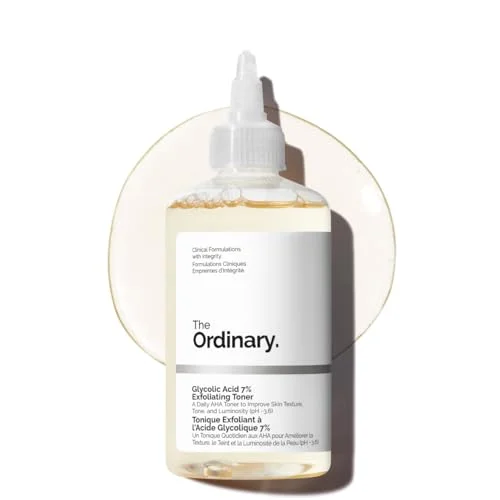
The Ordinary Glycolic Acid 7% Exfoliating Toner
Glycolic leads AHA research for visible brightening. 8.1 ounces for around $14 crushes this list’s value by a huge margin. Cotton pad application two evenings weekly to start. Most users spot fresher, more even tone within three to four weeks.
Heads up: 7% glycolic stands as this page’s strongest formula. Watery toner texture makes overuse deceptively easy. Suits normal, combination, or oily skin that already handled a milder acid. Or patient beginners committed to slow frequency increases. Sensitive skin starts with lactic, mandelic, or PHA instead.
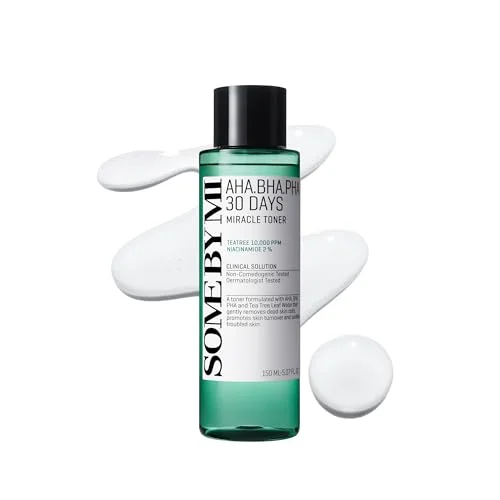
5. SOME BY MI AHA BHA PHA Miracle Toner - Best All-in-One
SOME BY MI AHA BHA PHA 30 Days Miracle Toner
Want all three acid families without buying three bottles? This K-beauty staple blends low-concentration AHA, BHA, and PHA with 2% niacinamide. One daily toner aimed at blemish-prone, oily skin. Strengths stay mild by design. That’s how acid blends become beginner-safe when most acid stacking isn’t.
Two warnings: tea tree extract lives here, so patch-testing matters extra if botanicals bother you. Mildness cuts both ways. Texture and congestion progress steady instead of dramatic. Ignore that 30 days label framing. Consistency across months creates the payoff.
6. Paula’s Choice 6% Mandelic + 2% Lactic - Worth the Upgrade
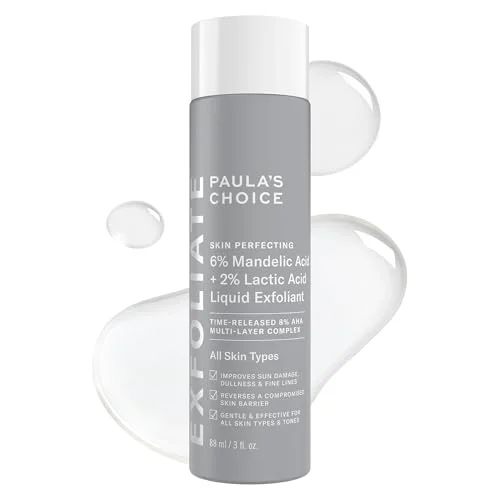
Paula's Choice 6% Mandelic + 2% Lactic Acid Liquid Exfoliant
Your sophisticated upgrade: mandelic acid—gentlest AHA thanks to its large, slow-penetrating molecule—at 6%. Combined with 2% time-released lactic acid that Paula’s Choice reports hits conventional 10% lactic potency with way less sting. Antioxidant blend (yarrow, fermented botanicals) completes it.
Two target groups win here: sensitive skin wanting genuine AHA results minus the trade-offs, and anyone plateauing on starter acids. Around $30 for 3 oz hits benchmark pricing. But it’s that rare “advanced” product actually gentler than the basics it beats.
How to Start Exfoliating (Without Wrecking Your Barrier)
- Pick one product from this list matching your skin type. Two at once? Never.
- Patch-test your inner forearm for 24-48 hours.
- Start low: one to two evenings weekly, clean and dry skin.
- Buffer: bland moisturizer follows. Check our picks for dry, sensitive skin.
- Protect: SPF 30+ every morning, period. Acids boost sun sensitivity for days post-use.
- Wait two weeks before ramping frequency. First sign of stinging or flaking? Back off.
Separate exfoliating acids from retinol nights. Space them from vitamin C. Our layering skincare in the right order guide covers scheduling without conflicts.
FAQ
Can I use AHA and BHA together as a beginner?
Never in one routine. Alternate nights max, and only after tolerating each solo. SOME BY MI toner escapes this rule. Low-strength formulation lets the acids coexist.
How often should a beginner exfoliate?
Once or twice weekly at start. Build to three times or every other day across one to two months if zero irritation happens. Daily use is an end goal, not where you begin. Many never need it.
Do I rinse off a leave-on exfoliant?
Nope. These products stay put. Apply post-cleansing, wait one to two minutes, proceed with serums and moisturizer.
Physical scrub or chemical exfoliant — which is better for beginners?
Chemical wins almost always. Scrubs exfoliate unevenly. Aggressive use creates micro-tears. Low-strength acid gives more uniform results with clearer, understood risks.
When will I see results?
Smoothness often shows within two weeks. Tone, brightness, pore appearance need four to eight weeks of consistent use. Product causing ongoing burn, redness, or peeling? That’s not “purging.” Stop. See your dermatologist.