These recommendations are not medical advice. Consult a dermatologist for persistent skin concerns.
If “sensitive skin” has kept you away from chemical exfoliants altogether, 2026’s formulas make that a lot easier to reconsider. Dermatology-adjacent sites like DermApproved have been steering sensitive-skin readers toward gentler acid types this year — PHAs, low-percentage lactic acid, and mandelic acid — instead of the harsher glycolic and high-strength salicylic formulas that used to dominate exfoliant shelves. The general guidance holds steady too: two to three times a week is plenty for most people, sensitive skin often does better with once a week or a gentle PHA, and sunscreen isn’t optional once you add any acid to your routine. We checked five exfoliants built around that gentler end of the spectrum against live Amazon listings.
Quick verdict: The INKEY List PHA Toner (around $17) is the best overall pick — 3% gluconolactone is about as gentle as chemical exfoliation gets, and it’s mild enough for daily use. The Ordinary Lactic Acid 5% + HA (around $8) is the budget pick and a smart place to start if you’ve never used an acid before. Naturium BHA Liquid Exfoliant 2% (around $18) is worth the upgrade if pores and blackheads are your main concern.
Quick Picks
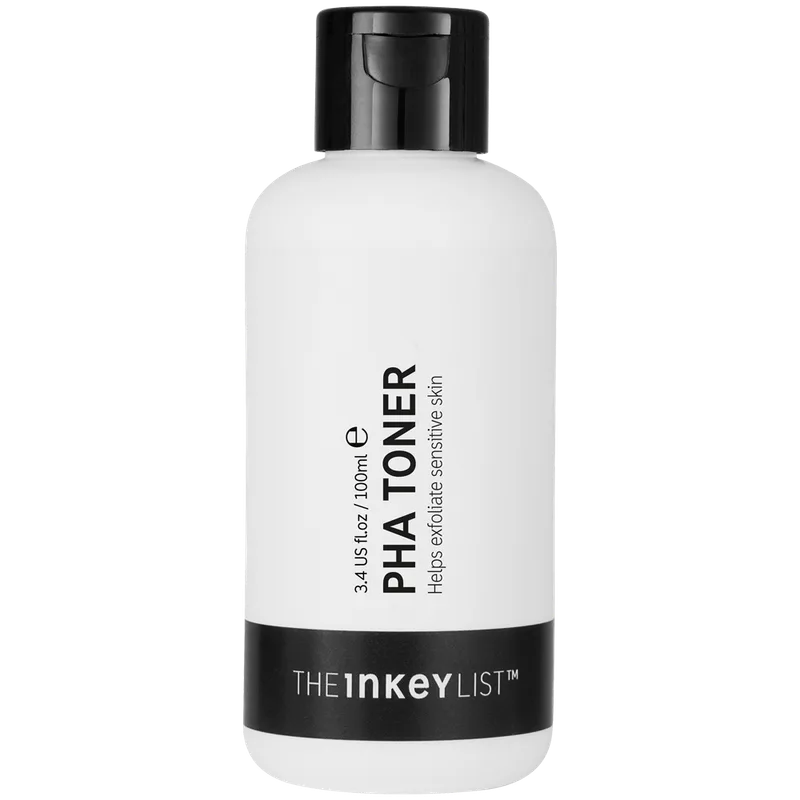 Best OverallThe INKEY List PHA Toner (3.38 fl oz)$17.10-$18.00as of Oct 11, 2026Read our take ↓
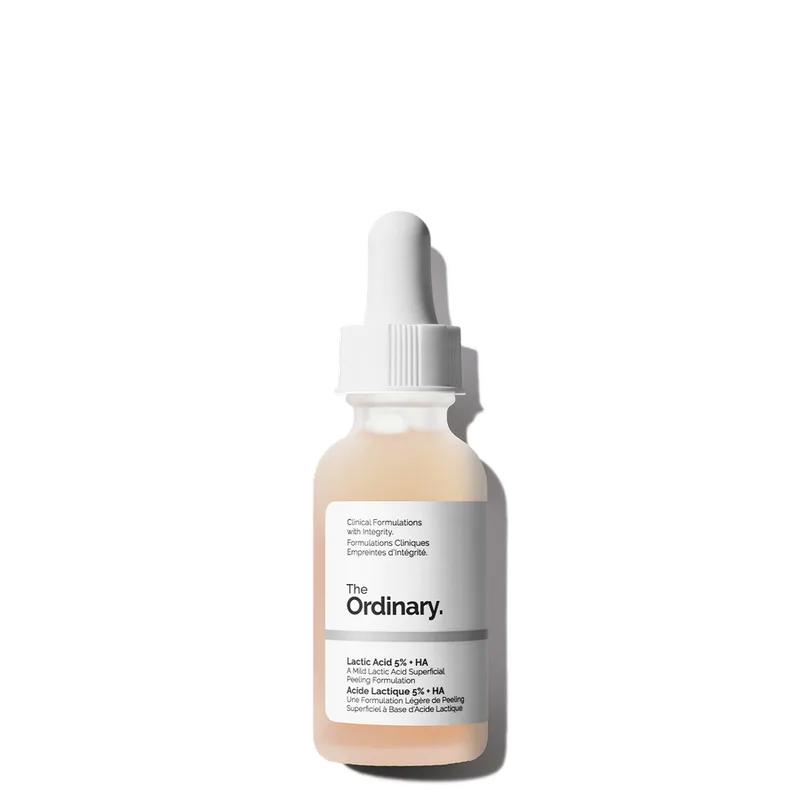 Budget PickThe Ordinary Lactic Acid 5% + HA (1 fl oz)$8.10as of Oct 11, 2026Read our take ↓
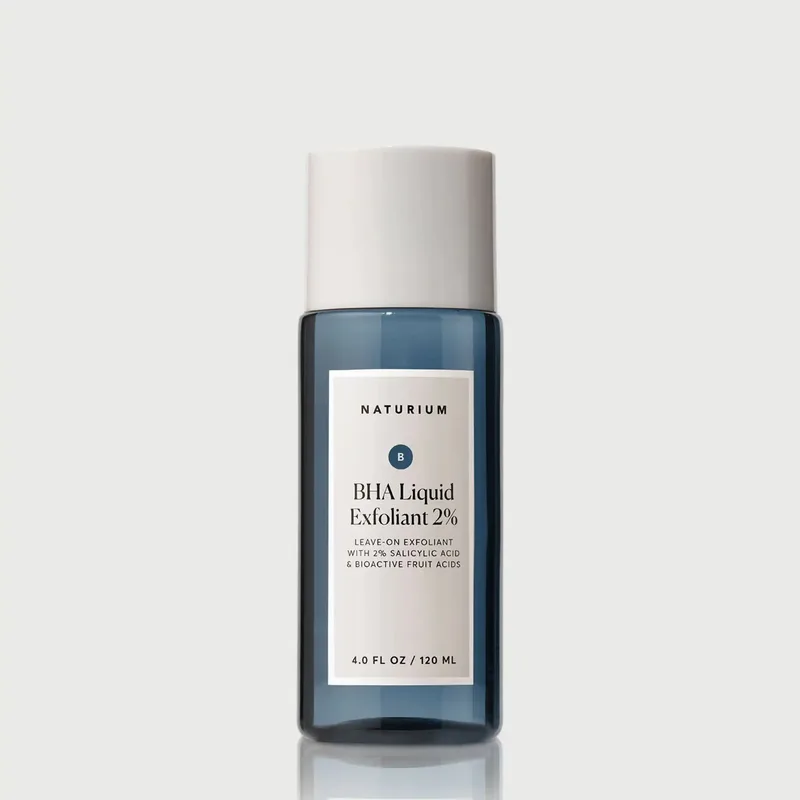 Worth the UpgradeNaturium BHA Liquid Exfoliant 2% (4 fl oz)$18.04-$18.99as of Oct 11, 2026Read our take ↓
Patch Test First, Every Time
Before any new exfoliant touches your whole face, patch test it. Apply a small amount to your inner forearm or just behind your ear, and check back in 24 hours. If you don’t see redness, stinging, or itching, it’s reasonable to try a small area of your face next. This matters even more with “gentle” formulas, since sensitive skin can still react to an ingredient that most people tolerate fine.
Once a product’s in your routine, sunscreen is non-negotiable. All five of these ingredient types — PHA, lactic acid, mandelic acid, salicylic acid, and fruit enzymes — increase how easily your skin sunburns and sun-damages. Use a broad-spectrum SPF 30 or higher every morning you’re using any of these, even indoors near windows.
How We Evaluate
Every product here was checked against live Amazon listings when we published — current names, availability, and pricing (listed as around $X since prices shift). For sensitive-skin exfoliants specifically, we looked at the acid type and how it behaves on reactive skin (not just the percentage on the label), what’s included to offset dryness or calm irritation, how the product is meant to be used (daily leave-on vs. occasional rinse-off), and whether the brand backs up its claims with real ingredient transparency.
What Makes an Exfoliant “Gentle” (It’s Not Just the Percentage)
A high percentage doesn’t automatically mean a harsher product, and a low one doesn’t guarantee a gentle one. Molecule size matters more than most labels let on. Mandelic acid, for example, has a much larger molecule than glycolic acid, so even at 10% it penetrates more slowly and tends to cause less stinging and redness. PHAs like gluconolactone have even larger molecules, which is why they’re often recommended as the gentlest chemical exfoliant category and can sometimes be used daily.
Format matters too. A rinse-off mask limits contact time to a couple of minutes, which lowers irritation risk compared to a leave-on serum or toner with the same acid, even if the mask’s concentration is technically higher. That’s part of why a multi-acid rinse-off mask can still be a reasonable occasional treatment for sensitive skin, while a leave-on version of the same acids might not be.
If your skin is very reactive, prone to rosacea, or already dealing with a compromised barrier, start with a PHA or low-percentage lactic acid, use it once or twice a week, and build up slowly. Save salicylic acid and rinse-off multi-acid treatments for after your skin has shown it tolerates the gentler options.
Detailed Reviews
1. The INKEY List PHA Toner - Best Overall
The INKEY List PHA Toner (3.38 fl oz)
This toner keeps things simple: 3% gluconolactone paired with 3% niacinamide in a fragrance-free, alcohol-free base. Gluconolactone is a PHA, which means its molecule is too large to penetrate as deeply or as fast as an AHA or BHA, so it exfoliates gently while the niacinamide works on redness and tone. That combination is why it’s become a go-to recommendation for rosacea-prone and reactive skin.
The trade-off is that 3% gluconolactone won’t deliver the visible texture change you’d get from a stronger acid. If you’re looking for dramatic resurfacing, this isn’t it. If you want a low-risk way to start exfoliating regularly, or you’ve reacted badly to stronger acids in the past, this is the safest place to start.
2. The Ordinary Lactic Acid 5% + HA - Budget Pick
The Ordinary Lactic Acid 5% + HA (1 fl oz)
The Ordinary’s Lactic Acid 5% + HA has been a go-to gentle-AHA recommendation for years, and it’s still one of the cheapest ways to try a chemical exfoliant. Lactic acid is a larger AHA molecule than glycolic acid, so it exfoliates more gently, and the built-in hyaluronic acid helps keep skin from feeling stripped afterward. Tasmanian pepperberry, an anti-irritant The Ordinary uses across its acid lineup, is in here too.
Because it’s gentle, don’t expect fast results — give it a few weeks of consistent use (2-3 times a week to start) before judging it. The dropper applicator can also be a little messy. For the price, it’s still one of the easiest ways to find out if your skin tolerates acids at all.
3. Naturium BHA Liquid Exfoliant 2% - Worth the Upgrade
Naturium BHA Liquid Exfoliant 2% (4 fl oz)
If clogged pores or blackheads are your main concern, salicylic acid is still the ingredient that does that job best, and Naturium’s version is built to be more tolerable than older BHA toners. It skips the alcohol base a lot of drugstore BHA toners use, and the formula is free of parabens, sulfates, mineral oil, and silicone. Reviewers frequently compare it to pricier BHA liquids and find it holds up well.
2% salicylic acid can still be too much for very reactive skin used nightly, so start every other night and watch how your skin responds. It also doesn’t include ceramides or other barrier-supporting ingredients, so pair it with a good moisturizer. For sensitive skin that also deals with congestion, this is the upgrade worth making.
4. The Ordinary Mandelic Acid 10% + HA
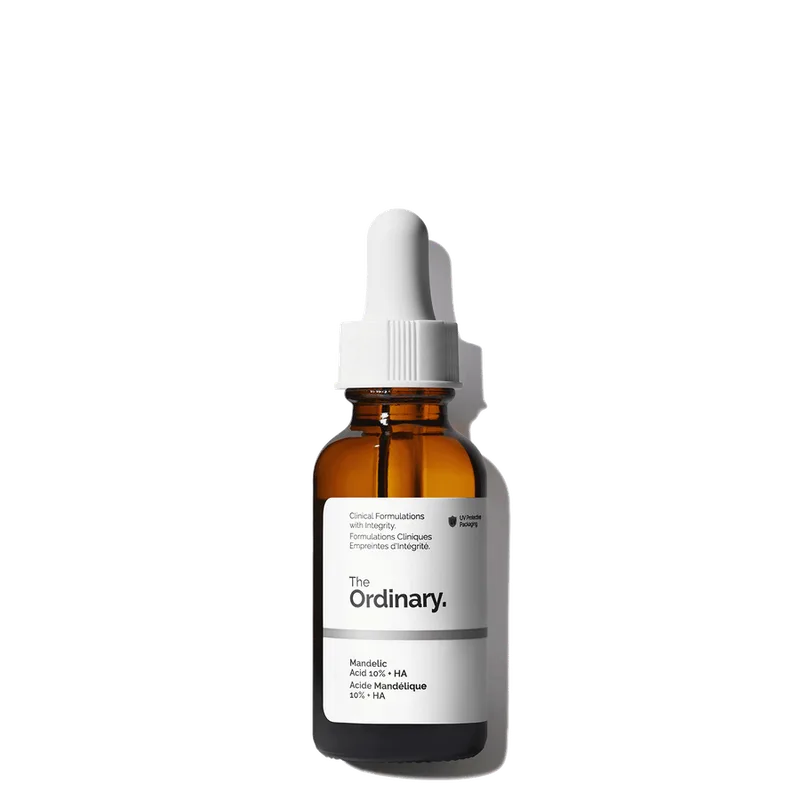
The Ordinary Mandelic Acid 10% + HA (1 fl oz)
Mandelic acid has the largest molecule of the common AHAs, which is the whole reason a 10% concentration can still feel gentle. It penetrates more slowly than glycolic or lactic acid, which usually means less stinging and redness, even for people who’ve reacted to other acids before. It’s also a common dermatologist recommendation for deeper skin tones, since it’s less likely to trigger post-inflammatory dark marks after exfoliating.
The “10%” on the label can be misleading if you’re comparing percentages across acid types, since it behaves more like a much lower percentage of glycolic acid would. Results also take longer to show. If you have sensitive skin or a deeper skin tone and want real exfoliation without the higher risk of marks, this is worth trying.
5. Versed Doctor’s Visit Instant Resurfacing Mask
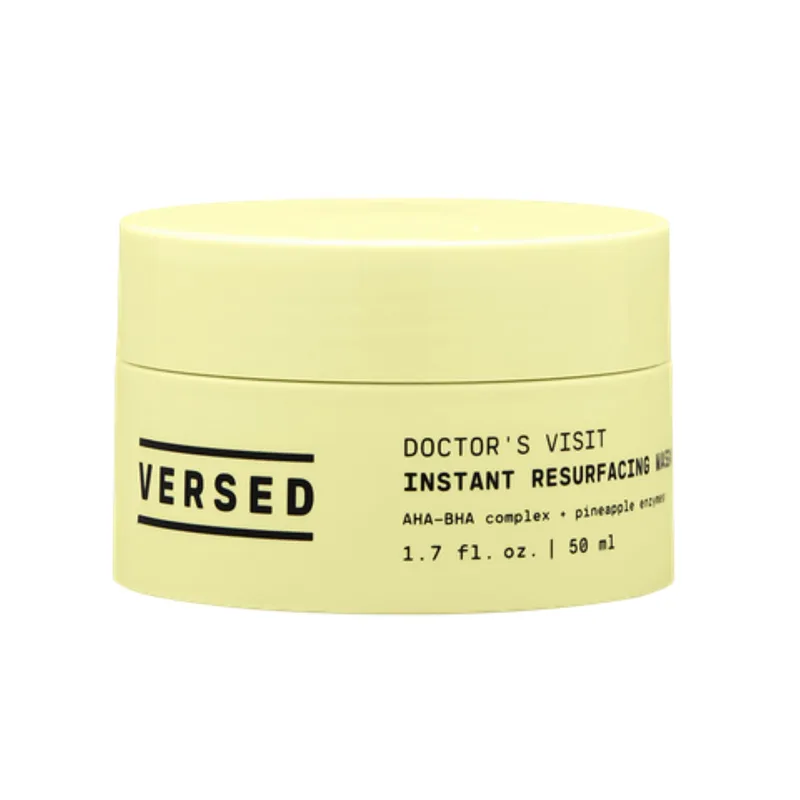
Versed Doctor's Visit Instant Resurfacing Mask (1.7 fl oz)
This one breaks from the leave-on format entirely. It’s a rinse-off mask that combines AHA (lactic and glycolic acid), BHA (salicylic acid), and pineapple and papaya enzymes in one 2-3 minute treatment. Because it’s rinsed off quickly instead of left on, the contact time is short, which brings down irritation risk even though the ingredient list looks more aggressive on paper than the other products here.
It’s meant as an occasional treatment, not a daily step, and Versed doesn’t publish the exact acid percentages, so you’re relying on user reports more than a spec sheet. If your sensitive skin can handle a gentle daily PHA or lactic acid but you still want something stronger once in a while, this is a reasonable way to get it without a leave-on product sitting on your face all day.
| Spec | The INKEY List PHA Toner (3.38 fl oz) $17.10-$18.00as of Oct 11, 2026 9 | The Ordinary Lactic Acid 5% + HA (1 fl oz) $8.10as of Oct 11, 2026 8.7 | Naturium BHA Liquid Exfoliant 2% (4 fl oz) $18.04-$18.99as of Oct 11, 2026 8.6 | The Ordinary Mandelic Acid 10% + HA (1 fl oz) $7.80as of Oct 11, 2026 8.4 | Versed Doctor's Visit Instant Resurfacing Mask (1.7 fl oz) $17.66as of Oct 11, 2026 8.2 |
|---|---|---|---|---|---|
| activeIngredient | 3% Gluconolactone (PHA) | 5% Lactic Acid | 2% Salicylic Acid (BHA) | 10% Mandelic Acid | AHA (lactic and glycolic acid) + BHA (salicylic acid) + fruit enzymes |
| supportingIngredients | 3% niacinamide, aloe vera juice | 2% hyaluronic acid, Tasmanian pepperberry | Citrus fruit extracts, glycerin, diglycerin | 2% hyaluronic acid, Tasmanian pepperberry | Pineapple and papaya enzymes, vitamin C |
| size | 3.38 fl oz / 100 mL | 1 fl oz / 30 mL | 4 fl oz / 120 mL | 1 fl oz / 30 mL | 1.7 fl oz / 50 mL |
| texture | Watery, lightweight toner | Lightweight, water-based serum | Lightweight, alcohol-free liquid | Lightweight, water-based serum | Rinse-off cream mask |
| skinType | Sensitive, reactive, and rosacea-prone skin; gentle enough for daily use | Dry and sensitive skin, and first-time acid users | Combination, oily, and acne-prone skin that still needs a gentle formula | Sensitive skin and deeper skin tones prone to post-inflammatory marks | Sensitive skin that wants occasional stronger exfoliation, not a daily leave-on |
| Rating | 9 | 8.7 | 8.6 | 8.4 | 8.2 |
Prices change daily — tap Check Price for the current Amazon price.
Prices change daily — tap Check Price for the current Amazon price.
If sun protection isn’t already locked into your routine, check our mineral sunscreen roundup before you start using any of these regularly. Pairing an exfoliant with the right moisturizer also matters for sensitive skin — see our moisturizer roundup for dry, sensitive skin. And if you want to understand hydrating actives that layer well with any of these acids, our hyaluronic acid guide covers that.
FAQ
What’s the gentlest chemical exfoliant for sensitive skin?
PHAs like gluconolactone are generally considered the gentlest chemical exfoliant category because their molecules are too large to penetrate as deeply as AHAs or BHAs. Mandelic acid and low-percentage lactic acid are the next gentlest options.
Can I use a chemical exfoliant every day if I have sensitive skin?
Some PHA formulas are mild enough for daily use, but most sensitive skin does better with 2-3 times a week for AHAs like lactic or mandelic acid, and every other night for BHAs like salicylic acid. Start slower than you think you need to and build up.
Do I need sunscreen if I use a chemical exfoliant?
Yes. Every acid type covered here increases how easily your skin sunburns and sun-damages. Wear a broad-spectrum SPF 30 or higher every morning you’re using any exfoliating acid.
Is a higher percentage always more effective?
Not necessarily. Molecule size and acid type matter as much as percentage. A 10% mandelic acid can feel gentler than a 2% salicylic acid because mandelic acid’s larger molecule penetrates more slowly.
Should I patch test before trying a new exfoliant?
Yes, every time, even with formulas marketed as gentle. Apply a small amount to your inner forearm, wait 24 hours, and check for redness, stinging, or itching before using it on your face.
The Bottom Line
Sensitive skin doesn’t have to mean skipping exfoliation altogether — it means picking the right acid type and easing in slowly. The INKEY List PHA Toner is the safest place to start if you’re very reactive, The Ordinary’s Lactic Acid 5% + HA is the cheapest way to test whether your skin tolerates acids at all, and Naturium’s BHA is worth the upgrade if pores are your main issue. The Ordinary’s Mandelic Acid is a strong pick for deeper skin tones or anyone who’s reacted to other acids before, and Versed’s mask gives you an occasional stronger option without a leave-on product sitting on your skin all day. Whichever you start with, go slow, patch test first, and don’t skip sunscreen.