Safety Note: Products containing active ingredients like vitamin C or salicylic acid may cause increased sun sensitivity or mild irritation for some skin types. Always perform a patch test before first use, and apply SPF daily when using these products.
These recommendations are not medical advice. Consult a dermatologist for persistent skin concerns.
CeraVe and La Roche-Posay are still the two brands dermatologists reach for first, and in 2026 they’re both owned by the same parent company, L’Oréal. That’s part of why their ingredient lists keep overlapping — ceramides, niacinamide, hyaluronic acid show up in both lineups. But the brands haven’t merged their identities. CeraVe still leans into barrier-repair value. La Roche-Posay still leans into thermal spring water and higher-end textures.
We already broke down their cleansers and moisturizers head to head. This time we’re comparing the products people ask about next: daily SPF, vitamin C serums, and eye cream. Here’s where each brand actually pulls ahead.
Quick Picks
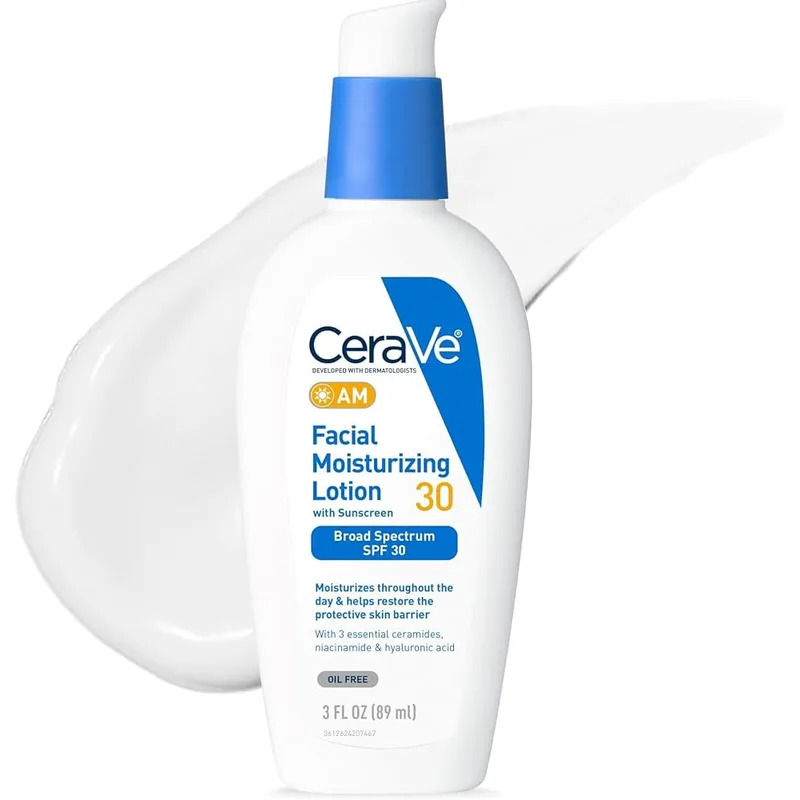 Best OverallCeraVe AM Facial Moisturizing Lotion SPF 30$14.22-$14.97as of Oct 11, 2026Read our take ↓
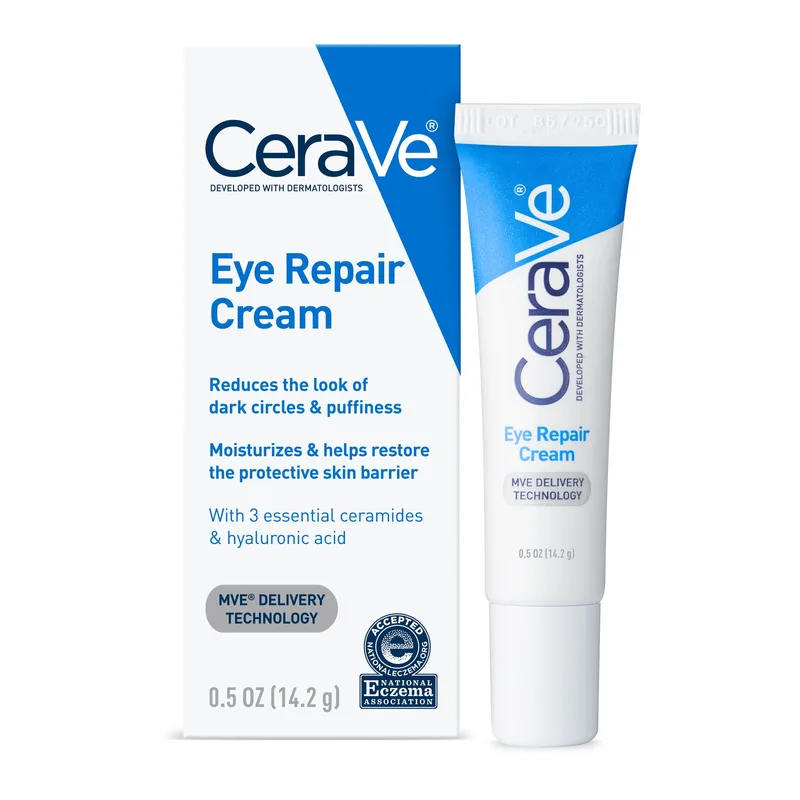 Budget PickCeraVe Eye Repair Cream$12.08-$12.72as of Oct 11, 2026Read our take ↓
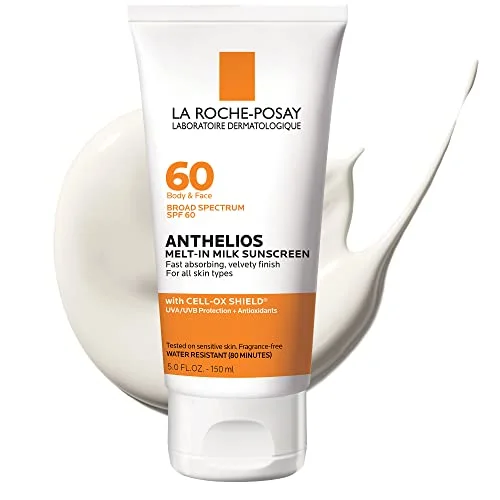 Worth the UpgradeLa Roche-Posay Anthelios Melt-In Milk SPF 60$27.06-$28.48as of Oct 11, 2026Read our take ↓
Buying Guide: How These Brands Differ Here
Sunscreen philosophy. CeraVe’s AM lotion treats SPF as a feature of your moisturizer — you get SPF 30 plus ceramides and niacinamide in one step. La Roche-Posay’s Anthelios line treats SPF as the whole point of the product, and it shows: SPF 60, water resistance, and a fast-absorbing texture built for hours outside.
Vitamin C approach. La Roche-Posay’s version adds salicylic acid, so it’s doing double duty as a mild pore-clearing treatment for oily and combination skin. CeraVe’s version keeps the formula simple — vitamin C plus ceramides — so it’s gentler if your skin reacts easily to actives.
Eye cream positioning. CeraVe’s eye cream is a straightforward ceramide-and-niacinamide formula at a drugstore price. La Roche-Posay’s costs more and centers on calming ultra-sensitive, reactive skin around the eyes rather than targeting puffiness or dark circles specifically.
Who each brand suits best. If you want fewer products doing more work for less money, CeraVe is the easier default. If you spend a lot of time outdoors, have reactive or easily irritated skin, or want a serum that also addresses pores, La Roche-Posay’s lineup here is worth the extra cost.
Detailed Reviews
Daily SPF: All-in-One vs Dedicated Sunscreen
CeraVe AM Facial Moisturizing Lotion SPF 30
CeraVe AM Facial Moisturizing Lotion SPF 30 is the easiest way to add sunscreen to a routine you already do. It’s a moisturizer first, with SPF 30 folded in, so you’re not adding an extra step in the morning. The ceramides and niacinamide keep it feeling like skincare rather than just sunscreen, and the oil-free formula sits fine under makeup.
La Roche-Posay Anthelios Melt-In Milk SPF 60
La Roche-Posay Anthelios Melt-In Milk SPF 60 skips the extra ingredients and focuses entirely on sun protection. SPF 60 gives you more margin if you forget to reapply, and it’s rated water resistant for 80 minutes, which matters if you’re swimming or sweating. It works on your body as well as your face, which the CeraVe lotion isn’t marketed for.
Verdict: CeraVe for a simpler morning routine and everyday protection. La Roche-Posay for beach days, workouts outside, or anyone who wants higher SPF without thinking about it.
Vitamin C Serums: Brightening With or Without Exfoliation
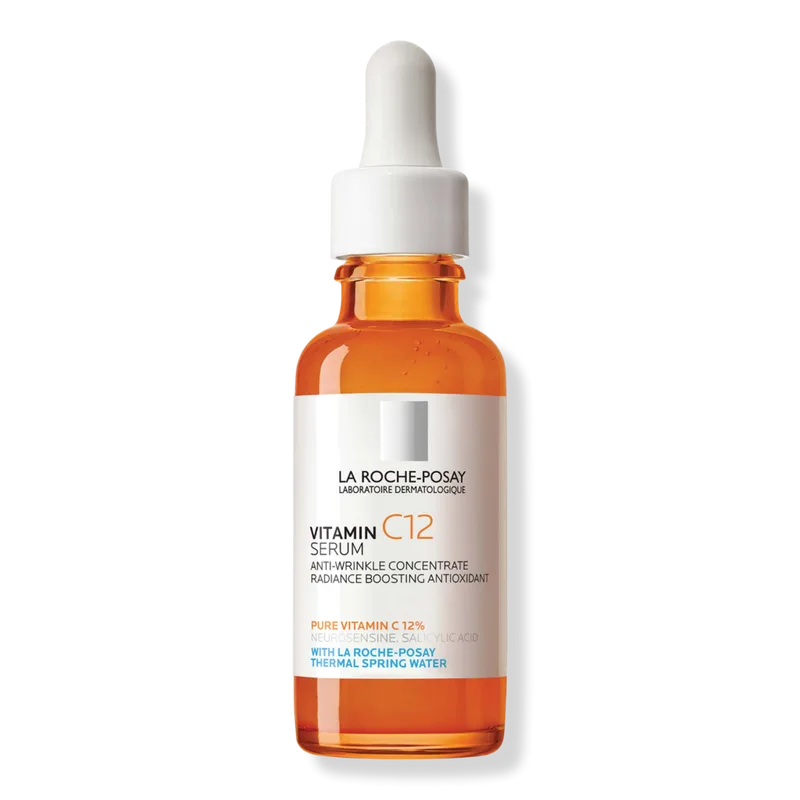
La Roche-Posay Pure 12% Vitamin C Serum
La Roche-Posay Pure 12% Vitamin C Serum pairs a higher vitamin C concentration with salicylic acid, so it’s brightening tone while also working on clogged pores. That makes it a stronger pick if you deal with oiliness or occasional breakouts alongside dullness. The thermal spring water keeps the formula from feeling harsh.
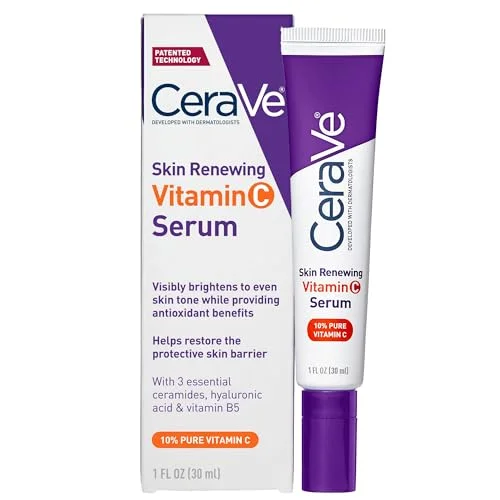
CeraVe Skin Brightening Vitamin C Serum
CeraVe Skin Brightening Vitamin C Serum keeps things simpler: 10% vitamin C, ceramides, hyaluronic acid, vitamin B5. No exfoliating acid means less risk of irritation, and the ceramides help offset the dryness vitamin C can sometimes cause on its own.
Verdict: La Roche-Posay if you want brightening and pore care in one step. CeraVe if you want vitamin C without an added acid, or if your skin is on the sensitive side.
Eye Creams: Value vs Sensitive-Skin Focus
CeraVe Eye Repair Cream
CeraVe Eye Repair Cream is the budget pick here by a wide margin. It’s fragrance-free, ophthalmologist tested, and built on the same ceramide-and-niacinamide base as the rest of the CeraVe line. It targets the look of puffiness and dark circles at a price that makes daily use easy to justify.
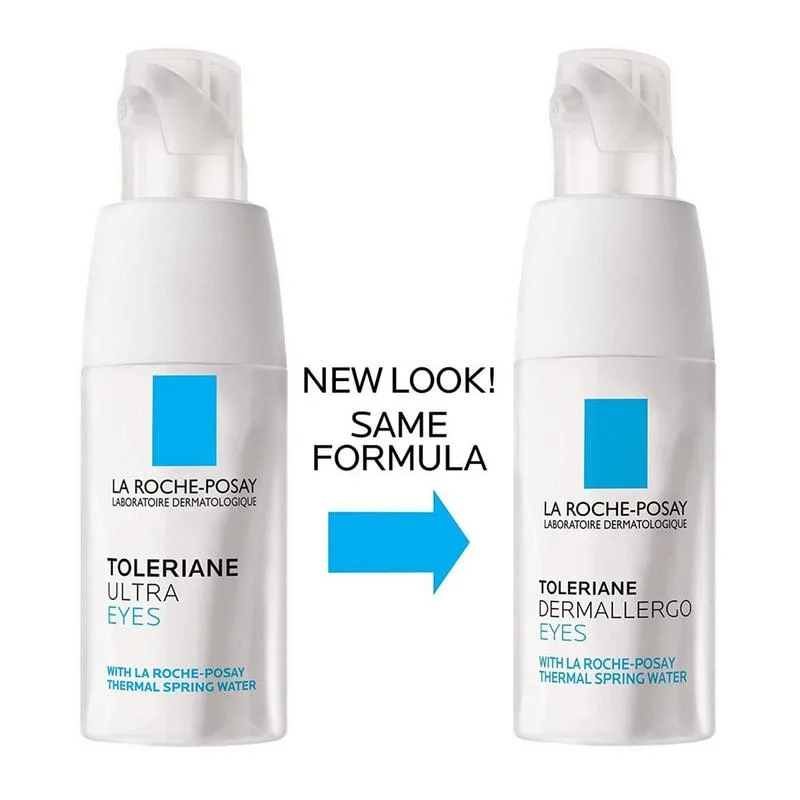
La Roche-Posay Toleriane Dermallergo Eye Cream
La Roche-Posay Toleriane Dermallergo Eye Cream (formerly Toleriane Ultra Eyes) is built for people whose skin reacts to almost everything. It skips fragrance and alcohol entirely and leans on thermal spring water, neurosensine, and shea butter to calm the eye area rather than target specific concerns like puffiness.
Verdict: CeraVe for value and general dark-circle care. La Roche-Posay if your under-eye skin is genuinely reactive and other eye creams have irritated you before.
Comparison
| Spec | CeraVe AM Facial Moisturizing Lotion SPF 30 $14.22-$14.97as of Oct 11, 2026 9 | CeraVe Eye Repair Cream $12.08-$12.72as of Oct 11, 2026 8 | La Roche-Posay Anthelios Melt-In Milk SPF 60 $27.06-$28.48as of Oct 11, 2026 9 | La Roche-Posay Pure 12% Vitamin C Serum $44.99as of Oct 11, 2026 8 | CeraVe Skin Brightening Vitamin C Serum $22.67-$23.86as of Oct 11, 2026 8 | La Roche-Posay Toleriane Dermallergo Eye Cream $22.48as of Oct 11, 2026 7 |
|---|---|---|---|---|---|---|
| Size | 3 oz | 0.5 oz | 5 oz | 1.01 oz | 1 oz | 0.68 oz |
| SPF | Broad Spectrum SPF 30 | — | Broad Spectrum SPF 60 | — | — | — |
| Key Ingredients | Niacinamide, Hyaluronic Acid, 3 Ceramides | Niacinamide, Hyaluronic Acid, Marine & Botanical Complex | Homosalate, Octocrylene, Ethylhexyl Salicylate | 12% Pure Vitamin C, Salicylic Acid, Hyaluronic Acid | 10% L-Ascorbic Acid, Ceramides, Hyaluronic Acid, Vitamin B5 | Neurosensine, Thermal Spring Water, Niacinamide, Shea Butter |
| Skin Types | Normal to oily, non-comedogenic | All, including sensitive | All, including sensitive | Oily, combination, sensitive | All, including sensitive | Sensitive, reactive |
| Rating | 9 | 8 | 9 | 8 | 8 | 7 |
Prices change daily — tap Check Price for the current Amazon price.
Prices change daily — tap Check Price for the current Amazon price.
What They Share vs What’s Brand-Specific
Ingredients Both Brands Lean On
- Niacinamide: Calms skin and supports the look of an even tone across nearly every product in both lineups.
- Hyaluronic Acid: A humectant that pulls moisture into skin, used throughout both brands’ formulas.
- Ceramides: CeraVe’s signature, but they show up in La Roche-Posay’s eye cream too.
- Fragrance-free formulas: Common across both brands’ sensitive-skin-friendly products.
CeraVe-Specific
- MVE Technology: A time-release delivery system that keeps hydrating ingredients working over 24 hours.
- Marine & Botanical Complex: Used in the eye cream specifically to target the look of puffiness.
La Roche-Posay-Specific
- Thermal Spring Water: Sourced from France, rich in selenium, and used across the sunscreen, serum, and eye cream here.
- Neurosensine: A soothing ingredient used in the eye cream to help skin feel more comfortable.
- Salicylic Acid pairing: Their vitamin C serum is one of the few that combines brightening with pore-focused exfoliation.
FAQ
Can I mix products from both brands? Yes. Both brands keep their formulas low on fragrance and irritants, and their pH levels are compatible. Plenty of routines use CeraVe’s basics with La Roche-Posay’s SPF or serums.
Is SPF 60 actually better than SPF 30? SPF 60 blocks slightly more UV radiation than SPF 30, but the bigger factor is how much you apply and how often you reapply. Either works well if you use enough product and reapply every two hours outdoors.
Should I use vitamin C and salicylic acid together? La Roche-Posay’s serum already combines them in one formula. If you’re layering CeraVe’s vitamin C serum with a separate salicylic acid product, introduce them on alternating days at first to see how your skin handles it.
Which brand is better for rosacea-prone skin? La Roche-Posay generally has the edge for rosacea and reactive skin, thanks to its emphasis on thermal spring water and minimal-ingredient formulas. CeraVe still works for many people with rosacea, especially its fragrance-free basics.
Do I need an eye cream at all? Not always. If your face moisturizer or SPF already reaches close to your eyes without irritation, you may not need a separate product. Eye creams help most if you deal with dryness, puffiness, or if you want a formula specifically tested for that more sensitive area.
Bottom Line
For SPF, vitamin C, and eye care, the same pattern holds as everywhere else these two brands compete: CeraVe gives you dependable, well-formulated basics at a lower price, and La Roche-Posay gives you more targeted, higher-end options worth paying for when your skin has specific needs.
Choose CeraVe if you want an all-in-one SPF moisturizer, a straightforward vitamin C serum, or an eye cream that won’t strain your budget.
Choose La Roche-Posay if you spend real time in the sun, want a vitamin C serum that also works on pores, or have eye-area skin that reacts to most products.
Most people end up doing what we’d recommend here: CeraVe for the everyday steps, La Roche-Posay for the products where the upgrade actually shows up on your skin.