Safety Note: Products containing active ingredients like retinoids, vitamin C, or exfoliating acids may cause increased sun sensitivity. Always perform a patch test before first use, and apply SPF daily when using these products.
These recommendations are not medical advice. Consult a dermatologist for persistent skin concerns.
Your T-zone is oily. Your cheeks are dry. You can’t find anything that works for both. If you control the oil, your cheeks get flaky. If you hydrate the dry spots, your nose shines by noon. Combination skin doesn’t need one product that does everything. It needs zone-specific treatment.
The fix is simple. Use oil-control stuff only where you’re oily. Hydrate the dry parts. Pick your cleanser, moisturizer, and SPF so they don’t make either zone worse.
This routine gives you a full morning and night plan that actually balances combination skin. Every product here earns its spot.
Quick Overview
| Step | Morning | Evening |
|---|---|---|
| Cleanse | CeraVe Foaming (or water rinse) | CeraVe Foaming |
| Exfoliate | — | Paula’s Choice BHA (T-zone) |
| Treat | Niacinamide (T-zone) | Niacinamide (full face) |
| Moisturize | La Roche-Posay Toleriane | La Roche-Posay Toleriane |
| Protect | EltaMD UV Clear SPF 46 | — |
Morning Routine
Your morning skincare has one job. Clean your skin, protect it, and keep it balanced for the day. You’re removing overnight buildup, controlling your T-zone, and protecting your skin from damage.
Step 1: Cleanse
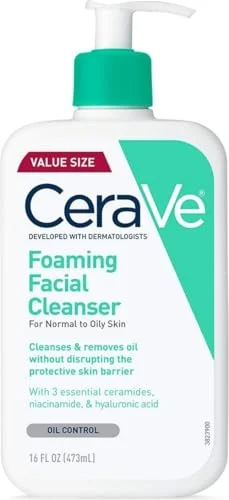
CeraVe Foaming Facial Cleanser
The CeraVe Foaming Facial Cleanser clears out excess oil and buildup without wrecking your barrier. The ceramides keep your skin hydrated while you clean.
For combination skin: It foams enough to cut through T-zone oil. But the ceramides stop your cheeks from feeling tight. Most cleansers pick one side. This one handles both.
How to use it: Wet your face. Pump out a quarter-sized blob. Massage for 30-60 seconds and focus on your T-zone. Rinse well.
Don’t want to use cleanser? If your skin feels good in the morning, just rinse with water. Save the real cleansing for night when you’ve got makeup and daily buildup.
Step 2: Treat (T-Zone Only)
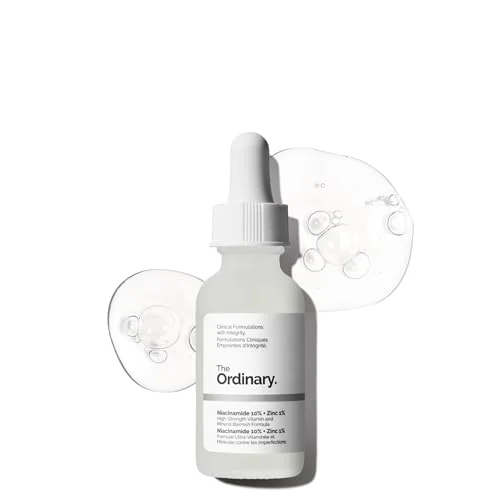
The Ordinary Niacinamide 10% + Zinc 1%
The Ordinary Niacinamide 10% + Zinc 1% keeps your oil in check all day. Niacinamide tells your oil glands to calm down. Zinc helps with breakouts.
For combination skin: Put this on your T-zone in the morning. Your cheeks don’t need it. Niacinamide can dry you out a bit, and dry cheeks will hate you for it.
How to use it: Drop 2-3 drops on your fingertips. Pat onto your forehead, nose, and chin. Wait 30 seconds for it to sink in before you moisturize.
Step 3: Moisturize
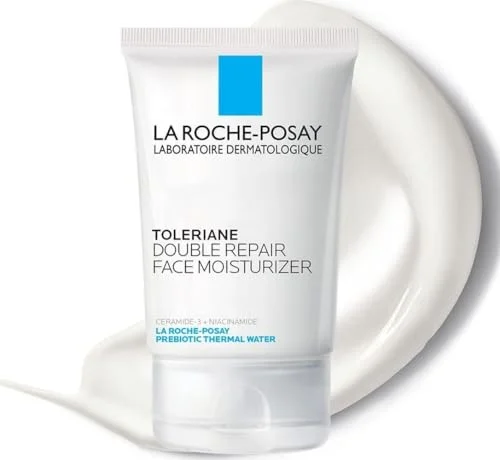
La Roche-Posay Toleriane Double Repair Face Moisturizer
La Roche-Posay Toleriane Double Repair hydrates without adding oil. The ceramide-3 and niacinamide combo keeps your barrier strong and controls shine.
For combination skin: This is rare. A moisturizer that actually works everywhere. Your cheeks get fed. Your T-zone stays matte. Most can’t do both.
How to use it: Grab a pea-sized amount. Dot it across your face. Massage gently and spend extra time on your dry cheek areas.
Step 4: Protect
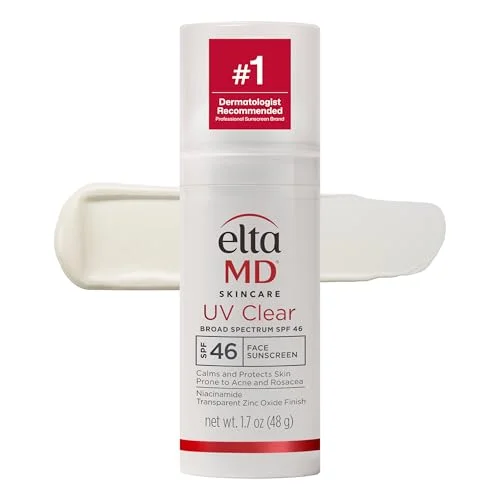
EltaMD UV Clear Broad-Spectrum SPF 46
EltaMD UV Clear SPF 46 protects you with a matte finish. The niacinamide keeps controlling oil all day.
For combination skin: This SPF won’t make your T-zone shiny. It won’t make your cheeks feel chalky either. That’s what combination skin needs.
How to use it: Use two finger-lengths of product. Dot it across your face. Blend well. Wait 15 minutes before you apply makeup.
Evening Routine
Evening is when you do the real work. This is when you use active ingredients and let your skin fix itself. Skip the heavy stuff that breaks down in sunlight.
Step 1: Cleanse
Use the same CeraVe Foaming Cleanser. At night, you’re washing off sunscreen, makeup, and everything your skin collected all day.
Double cleanse? If you wear heavy makeup or waterproof sunscreen, cleanse first with micellar water or cleansing oil. Then use the foaming cleanser. This gets everything off without over-washing.
Step 2: Exfoliate (3-4x Per Week, T-Zone Focus)
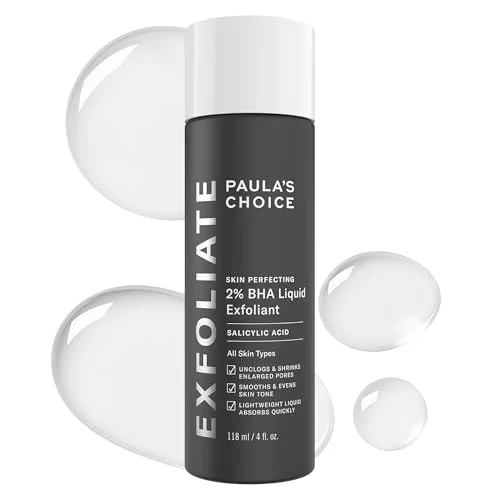
Paula's Choice 2% BHA Liquid Exfoliant
Paula’s Choice 2% BHA Liquid Exfoliant breaks down oil and dead skin inside your pores. Salicylic acid is oil-soluble, so it goes right where your T-zone needs it.
For combination skin: Put this on your T-zone where your pores are big and oil collects. Skip your cheeks unless they’re congested too.
How to use it: After you cleanse, apply with a cotton pad or clean fingers to your T-zone. Wait 15-20 minutes before the next step so the acid can work.
Important: Start with 3x weekly. Work up to daily only if your skin can handle it without getting dry or irritated. Use SPF the next day. Exfoliating acids make your skin more sensitive to sun.
Step 3: Treat
Apply The Ordinary Niacinamide across your whole face this time. At night, niacinamide helps your barrier repair itself. That helps both oily and dry zones.
How to use it: Put 3-4 drops on your face. Spread everywhere. Pat until it’s absorbed.
Step 4: Moisturize
Use La Roche-Posay Toleriane again. If your cheeks feel tight, layer something richer on top.
For very dry cheeks: Apply Toleriane everywhere first. Then add a heavier moisturizer just to your dry areas. This layering approach lets you treat different zones differently.
| Spec | CeraVe Foaming Facial Cleanser $15.17-$15.97as of Oct 11, 2026 8.8 | Paula's Choice 2% BHA Liquid Exfoliant $35.15-$37.00as of Oct 11, 2026 9.2 | The Ordinary Niacinamide 10% + Zinc 1% $6.00as of Oct 11, 2026 8.5 | La Roche-Posay Toleriane Double Repair Face Moisturizer $23.74-$24.99as of Oct 11, 2026 8.9 | EltaMD UV Clear Broad-Spectrum SPF 46 $42.75-$45.00as of Oct 11, 2026 9.3 |
|---|---|---|---|---|---|
| Key Actives | Ceramides, Niacinamide, Hyaluronic Acid | — | Niacinamide 10%, Zinc PCA 1% | Ceramide-3, Niacinamide, Glycerin | — |
| Size | 16 oz / 473ml | 4 oz / 118ml | 1 oz / 30ml | 2.5 oz / 75ml | 1.7 oz / 48g |
| Skin Type | Normal to oily | — | — | — | — |
| Formula | Gel-to-foam | Leave-on liquid | — | — | — |
| Fragrance | Fragrance-free | — | Fragrance-free | Fragrance-free | — |
| pH | 5.5 (skin-neutral) | 3.2-3.8 | — | — | — |
| Rating | 8.8 | 9.2 | 8.5 | 8.9 | 9.3 |
Prices change daily — tap Check Price for the current Amazon price.
Prices change daily — tap Check Price for the current Amazon price.
Weekly Add-Ons
Clay mask (1-2x weekly): Put it only on your T-zone. Clay pulls out oil and deep-cleans pores. Don’t put it on your cheeks. You’ll make them worse.
Hydrating mask (1-2x weekly): Use this on your dry cheeks and anywhere that feels tight. Sheet masks or cream masks with hyaluronic acid work.
Gentle physical exfoliant (1x weekly, optional): A soft konjac sponge or gentle scrub removes dead skin. Be gentle on dry areas so you don’t irritate them.
Seasonal Adjustments
Summer: If your skin gets oilier, use BHA more often. Switch to a lighter moisturizer if Toleriane feels too heavy. Reapply SPF every 2 hours if you’re outside.
Winter: Use BHA less if your dry areas get flaky. Layer a heavier moisturizer on dry zones. Add hyaluronic acid serum before moisturizer for extra hydration.
Humidity changes: More humidity means more oil. Use more BHA. Less humidity means more dryness. Use more hydration and less BHA.
FAQs
Why does my T-zone get oily while my cheeks feel dry? It’s genetics and where your oil glands sit. Your T-zone has more oil glands than your cheeks. Hormones, weather, and what you put on your face also change how much oil your skin makes.
Should I use different products on different zones? Yes. Put oil-control stuff like BHA and niacinamide on your T-zone. Put hydrating stuff like hyaluronic acid and richer creams on dry zones. Use universal products like cleanser, SPF, and light moisturizer everywhere.
Can combination skin eventually become balanced? Sometimes. A consistent routine that handles both issues without making either worse can normalize your skin over time. But your genetic skin type stays put. Balanced doesn’t mean your whole face is the same.
How do I know if I’m over-exfoliating? Look for more dryness, redness, sensitivity, irritation, or worse breakouts. If you see this, cut back on BHA right away. If it’s really bad, stop for a week.
What about retinol for combination skin? Retinol works, but go slow. Start 2x weekly at night after you’ve been using BHA consistently. Use it on nights you skip BHA. Don’t layer both at first.
Bottom Line
Combination skin needs balance. Control oil where you’re oily. Hydrate where you’re dry. Pick base products that work everywhere. This five-product routine does that.
Start with the CeraVe Foaming Cleanser and La Roche-Posay Toleriane as your base. Add Paula’s Choice BHA for T-zone exfoliation and The Ordinary Niacinamide for oil control. Finish with EltaMD UV Clear SPF 46 for daily protection.
Total cost: approximately $129 for products lasting 3-4 months. That’s professional-grade skincare for combination skin at a price that makes sense.