Safety Note: Products containing active ingredients like retinoids, vitamin C, or exfoliating acids may cause increased sun sensitivity. Always perform a patch test before first use, and apply SPF daily when using these products.
These recommendations are not medical advice. Consult a dermatologist for persistent skin concerns.
Vitamin C is backed by more research than any other skincare antioxidant. The perks are real: it brightens dark spots, supports collagen, and shields your skin from environmental damage. But if you’ve got sensitive skin, the standard formulas can be rough. High-strength L-ascorbic acid at super-low pH tends to sting, redden, and irritate.
Good news: you don’t have to pick between results and comfort anymore. The formulas have gotten way better. You can now find stabilized derivatives, gentler pH levels, and buffer ingredients that let even rosacea-prone skin use vitamin C without flaring up.
Quick verdict: Most people with sensitive skin do well with Paula’s Choice C15 Super Booster. It gives you real L-ascorbic acid plus soothing support that cuts irritation. If your skin reacts to everything, try The Ordinary Ascorbyl Glucoside Solution. It’s a derivative form that’s way gentler and unbeatable on price.
Quick Picks
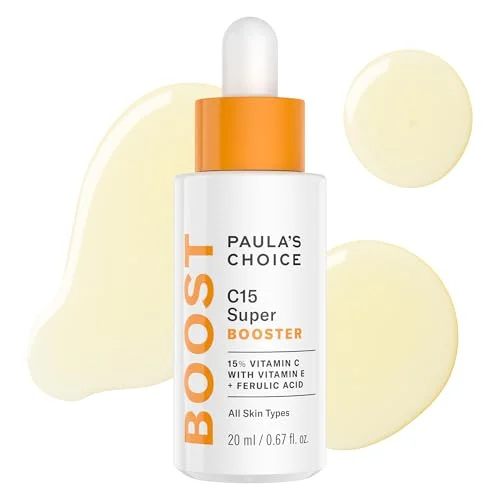 Best OverallPaula's Choice C15 Super Booster$42.04-$44.25as of Oct 11, 2026Read our take ↓
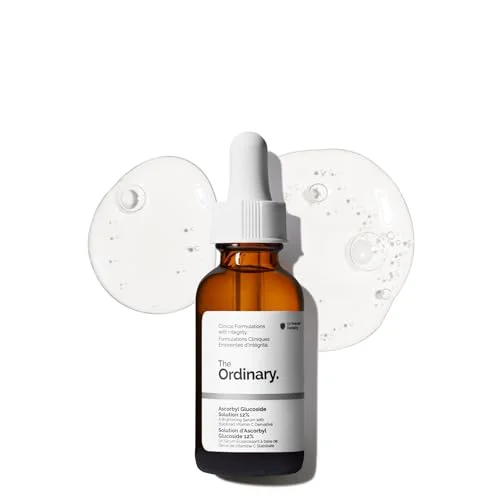 Best BudgetThe Ordinary Ascorbyl Glucoside Solution 12%$14.80as of Oct 11, 2026Read our take ↓
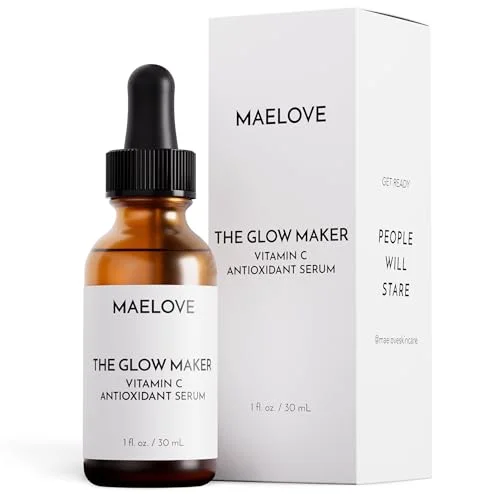 Best ValueMaelove Glow Maker Antioxidant Serum$35.91-$39.90as of Oct 11, 2026Read our take ↓
What Makes a Vitamin C Serum “Sensitive Skin Friendly”?
Not every vitamin C is the same. When you know the differences, you’ll pick a formula that works without wrecking your skin barrier.
L-Ascorbic Acid: The Gold Standard (With Caveats)
Pure L-ascorbic acid is still the most-studied vitamin C out there. It fades dark spots. It helps your skin make collagen. It fights free radicals. The science is strong. But it needs a low pH — around 3.5 or lower — to actually get into your skin.
That acidity is the issue for sensitive types. A pH of 2.5-3.0 can make your skin sting right away. It can irritate over time. And it messes with your skin barrier if you’re already reactive.
Vitamin C Derivatives: Trading Potency for Tolerance
Several derivatives turn into L-AA once they’re on your skin, but they stay stable at gentler pH levels:
- Ascorbyl Glucoside - Dissolves in water, stays stable, feels gentle. Converts slowly to L-AA.
- Ascorbyl Tetraisopalmitate - Dissolves in oil, sinks in well, barely irritates.
- Ethylated Ascorbic Acid - Super stable, neutral pH, newer but shows promise.
- Sodium Ascorbyl Phosphate - Water-soluble, fights bacteria, good if you break out.
These derivatives aren’t quite as potent as pure L-AA, and they take longer to show results. But they’re way easier on sensitive skin. For most reactive types, that’s worth it.
Supporting Ingredients That Reduce Irritation
The best vitamin C serums for sensitive skin add buffer ingredients:
- Vitamin E (Tocopherol) - Keeps vitamin C stable and adds extra antioxidant power
- Ferulic Acid - Doubles the sun protection and helps L-AA last longer
- Hyaluronic Acid - Hydrates and cushions your barrier against irritation
- Peptides - Tell your skin to calm down while the active does its job
- Niacinamide - Builds up your skin barrier (but use it separately from low-pH L-AA)
Detailed Reviews
Paula's Choice C15 Super Booster
Paula’s Choice built its name on science-backed skincare. The C15 Super Booster shows you why. This uses 15% L-ascorbic acid, the strength where clinical research backs up the benefits. Vitamin E and ferulic acid keep it stable in the classic CEF combo.
What makes it work for sensitive skin? The peptides. Most vitamin C serums just focus on the active ingredient. This one includes peptide tech that signals your skin to chill out. That cuts down on the inflammation that triggers sensitivity.
The pH is 3.0, which is as low as this can go and still work. Some people with sensitive skin feel mild tingling the first time they use it. That usually fades within a week as your skin adjusts. The formula skips fragrance and dyes, so you avoid common irritants.
The downside is the size. At 0.67 oz for $44.25, this is a small bottle for the price. But the dropper lets you use tiny amounts with precision. Your bottle ends up lasting longer than you’d think.
Application tip: Use 3-4 drops in the morning after you cleanse, before moisturizer. Wait 60 seconds before you add other products so it can sink in.
Best for: Sensitive skin that wants L-AA strength with buffer support.
The Ordinary Ascorbyl Glucoside Solution 12%
The Ordinary changed how skincare pricing works. The Ascorbyl Glucoside Solution shows their strategy: one quality active, bare-bones packaging, great price.
Ascorbyl glucoside is a water-soluble derivative that converts to L-ascorbic acid after it gets into your skin. The conversion happens gradually. That means results show up slower, but irritation drops way down. The pH is around 6.0, compared to the 2.5-3.0 range you see with pure L-AA serums.
For very sensitive skin, rosacea-prone types, or anyone who’s tried regular vitamin C and couldn’t handle it, this is the safest place to start. People report almost no stinging, no redness, and steady brightening over 8-12 weeks of daily use.
The watery texture disappears under other products. Some people find it less satisfying than typical serum texture. But that’s just aesthetics, not function.
Application tip: Apply morning and evening for faster progress. The gentle formula handles twice-a-day use without irritating.
Best for: Very sensitive skin, rosacea, vitamin C beginners, budget-conscious shoppers.
Maelove Glow Maker Antioxidant Serum
Maelove started as the “Skinceuticals dupe” and now has its own rep for solid formulas at fair prices. The Glow Maker uses the classic 15% L-ascorbic acid, 1% vitamin E, and 0.5% ferulic acid combo that Skinceuticals made famous.
At $39.90 for a full ounce, this gives you the same actives as products that cost four times more. The hyaluronic acid adds a hydration cushion that many sensitive skin types appreciate.
The formula skips fragrance and keeps extra ingredients minimal. Some people report light stinging on first use, which is normal for any 15% L-AA serum. That usually clears up in the first week.
Storage matters here. L-ascorbic acid breaks down when exposed to air and light. Keep the bottle somewhere cool and dark — not in your bathroom — and finish it within 3 months of opening.
Application tip: Squeeze it into your palm instead of directly onto your face. That limits air exposure at the bottle opening.
Best for: Budget-conscious users who want a full CEF formula without the luxury price tag.
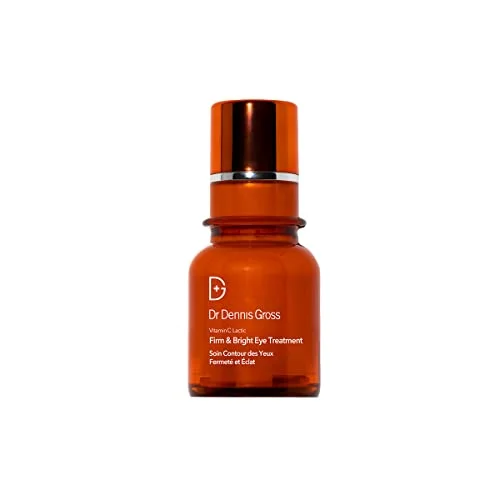
Dr. Dennis Gross C+ Collagen Brighten & Firm Serum
Dr. Dennis Gross goes a different route. Instead of one high-dose vitamin C form, this uses three forms at lower individual doses — the proprietary “3TC” technology. The idea is that multiple pathways cut down on irritation from any single ingredient while still delivering results.
The cream-serum hybrid texture feels richer than typical vitamin C serums. It’s great for dry or mature sensitive skin. The collagen amino acid complex adds anti-aging perks beyond basic vitamin C brightening.
At $56, this is on the premium end. The proprietary formula makes it hard to check exact concentrations and forms. But users consistently report visible brightening without the irritation you’d expect from strong vitamin C.
Application tip: Use this as your serum step in the morning. The richer texture means you might need less moisturizer on top.
Best for: Mature skin with sensitivity concerns, dry skin types, those who prefer richer textures.
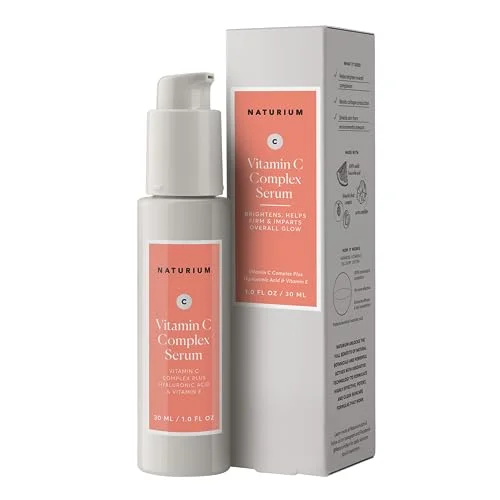
Naturium Vitamin C Complex Serum
Naturium uses ethylated ascorbic acid, a newer vitamin C form that stays stable at almost-neutral pH. That wipes out the low-pH irritation problem while still brightening your skin.
The 10% concentration is lower than L-AA serums. But ethylated ascorbic acid might sink in more efficiently. That makes up for some of the difference. Research on this form is newer and less thorough than L-AA studies. Early results look good though.
At $14.69 for a full ounce, this is great value for a formula that includes vitamin E and ferulic acid. The lightweight texture sinks in fast with no residue.
Expect results to show up more slowly than L-AA serums. Think 8-12 weeks instead of 4-6 weeks. For sensitive skin, that patience is usually worth it.
Application tip: You can use this morning or evening. The stable formula isn’t as sensitive to light as L-AA.
Best for: Extremely reactive skin, those who have failed with other vitamin C forms, patience-first approach.
How to Introduce Vitamin C to Sensitive Skin
Even with gentle formulas, smart introduction prevents unnecessary irritation:
Week 1-2: Patch Test and Acclimate
Test it on a small spot — inner arm or behind your ear — for 3 days. If nothing happens, start using it every other day on your face.
Week 3-4: Build Tolerance
If it’s going well, bump up to daily use. Apply in the morning after cleansing, before moisturizer and sunscreen.
Ongoing: Monitor and Adjust
Some tingling on first use is normal and usually stops within minutes. Persistent burning, redness, or irritation means the formula’s too strong for your skin.
Combining Vitamin C with Other Actives
- Do: Layer with hyaluronic acid, peptides, and SPF
- Use separately: Niacinamide (use in PM if vitamin C is AM)
- Alternate days: Retinol, AHAs, BHAs (avoid same-day use when starting)
FAQ
Q: Can I use vitamin C if I have rosacea?
A: Yes, with the right formula. Pick derivatives like ascorbyl glucoside or ethylated ascorbic acid at neutral pH. Skip pure L-ascorbic acid at low pH until your skin’s stable.
Q: Why does my vitamin C serum sting?
A: L-ascorbic acid serums at low pH (2.5-3.5) tingle in most people. That usually fades in the first week. If the burning doesn’t stop, you’re irritated. Switch to a derivative form.
Q: How long until I see results?
A: L-AA serums: 4-6 weeks for visible brightening. Derivative forms: 8-12 weeks. Collagen and texture changes take 3-6 months.
Q: Should I use vitamin C in the morning or evening?
A: Morning’s usually better. Vitamin C shields you from daytime environmental damage and makes sunscreen work harder.
Q: Can vitamin C cause breakouts?
A: Rarely. If you break out, check for pore-clogging ingredients in the serum base instead of the vitamin C itself. Oil-soluble derivatives might cause trouble if you’re acne-prone.
The Bottom Line
Sensitive skin doesn’t mean giving up vitamin C. You just need to pick the right form, strength, and support ingredients for your tolerance.
For most sensitive types, Paula’s Choice C15 Super Booster gives you clinical-strength L-ascorbic acid with enough peptide support to keep reactions down. For very sensitive or rosacea-prone skin, The Ordinary Ascorbyl Glucoside Solution offers a derivative form at neutral pH for just $14.80.
Start slow, pay attention to your skin, and remember that steady gentle use beats aggressive application that sets you back.
| Spec | Paula's Choice C15 Super Booster $42.04-$44.25as of Oct 11, 2026 9.1 | The Ordinary Ascorbyl Glucoside Solution 12% $14.80as of Oct 11, 2026 8.8 | Maelove Glow Maker Antioxidant Serum $35.91-$39.90as of Oct 11, 2026 8.9 | Dr. Dennis Gross C+ Collagen Brighten & Firm Serum Unavailable 8.6 | Naturium Vitamin C Complex Serum $15.95-$16.79as of Oct 11, 2026 8.5 |
|---|---|---|---|---|---|
| Vitamin C Form | 15% L-Ascorbic Acid | 12% Ascorbyl Glucoside | 15% L-Ascorbic Acid | 3TC Technology (3 forms) | 10% Ethylated Ascorbic Acid |
| pH Level | 3.0 | 6.0 | 2.5-3.0 | Balanced (proprietary) | Skin-neutral |
| Key Ingredients | Vitamin E, Ferulic Acid, Peptides | Ascorbyl Glucoside (water-soluble derivative) | Vitamin E, Ferulic Acid, Hyaluronic Acid | Collagen Amino Acids, Energy Complex | Vitamin E, Ferulic Acid, Plant Extracts |
| Size | 0.67 oz / 20ml | 1 oz / 30ml | 1 oz / 30ml | 1 oz / 30ml | 1 oz / 30ml |
| Texture | Lightweight serum | Watery serum | Lightweight serum | Cream-serum hybrid | Lightweight serum |
| Rating | 9.1 | 8.8 | 8.9 | 8.6 | 8.5 |
Prices change daily — tap Check Price for the current Amazon price.
Prices change daily — tap Check Price for the current Amazon price.