Safety note: Sunscreen works only at proper dosage — about a quarter teaspoon for the face, reapplied every two hours in direct sun. Patch-test any new SPF for 24-48 hours before daily use, especially if you’re sensitive to chemical filters or fragrance. If you use exfoliating acids or retinoids, daily broad-spectrum SPF is essential since those actives increase sun sensitivity. These recommendations are not medical advice. Consult a dermatologist for persistent skin concerns.
Tinted sunscreen fixes the two biggest reasons people skip SPF. The white cast and the extra step. A good tint neutralizes the ghostly finish of mineral filters. It evens your skin tone enough to skip foundation on casual days. And here’s a real bonus: the iron oxides that create the tint add defense against visible light. Plain sunscreens don’t address that. Every pick below is verified against live Amazon listings.
Quick verdict: EltaMD UV Clear Tinted SPF 46 at around $47 is the best tinted sunscreen overall. It’s the dermatologist-counter classic for sensitive and blemish-prone skin. CeraVe’s Tinted Mineral SPF 30 at around $13 is the budget pick that makes daily SPF painless. ISDIN Eryfotona Ageless at around $78 for a double-size bottle is the upgrade for mature skin.
Quick Picks
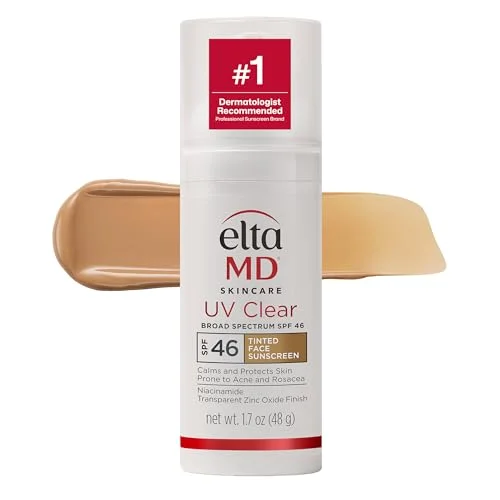 Best OverallEltaMD UV Clear Tinted Face Sunscreen SPF 46$45.60-$48.00as of Oct 11, 2026Read our take ↓
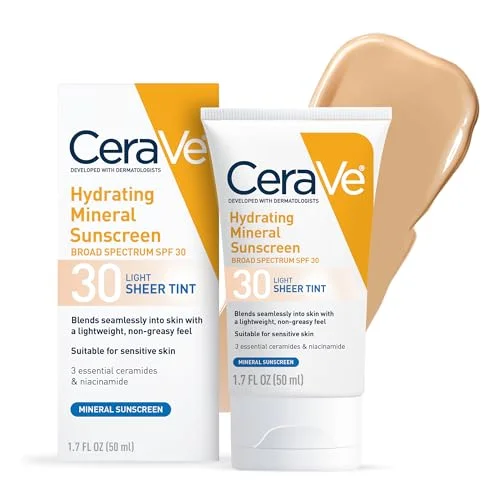 Budget PickCeraVe Tinted Sunscreen SPF 30 (Light)$12.10-$12.74as of Oct 11, 2026Read our take ↓
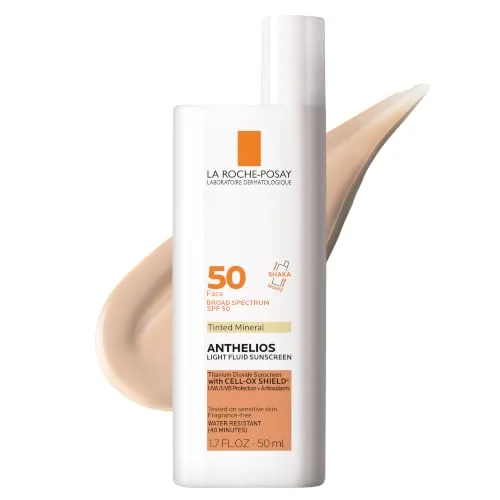 Best SPF 50 MineralLa Roche-Posay Anthelios Tinted Mineral SPF 50 (Light)$32.23as of Oct 11, 2026Read our take ↓
How We Evaluate
Every product is verified against live Amazon listings at publication. Current names, shades, availability, and pricing shown as “around $X” since prices move. For tinted sunscreens we prioritize broad-spectrum SPF 30+, genuinely invisible finish with no white cast, shade options beyond a single universal tint, skincare extras like niacinamide, ceramides, and antioxidants, and texture that plays well under makeup. Iron-oxide tints that add visible-light defense earn extra credit.
Why Tinted Beats Untinted for Many People
Beyond hiding white cast, tint has a functional edge. The iron oxides that give tinted sunscreens their color help shield skin from high-energy visible light. The kind that comes through windows and contributes to uneven tone, particularly in medium and deep skin tones. Untinted mineral SPF doesn’t offer that. Tinted formulas are also the most realistic path to daily compliance. When your sunscreen doubles as light coverage and primer, you actually wear it. The trade-off is shade-matching. That’s why we favor lines with multiple tints over one-shade-fits-all.
Detailed Reviews
1. EltaMD UV Clear Tinted SPF 46 - Best Overall
EltaMD UV Clear Tinted Face Sunscreen SPF 46
Ask a dermatology office what sunscreen they recommend. This is the bottle that appears. Transparent zinc oxide at SPF 46, oil-free and non-comedogenic, with niacinamide to help visibly improve tone on blemish-prone and easily-flushed skin. The tinted version adds a sheer, warm cast that disappears into a wide range of light-to-medium tones. No white cast, no makeup interference. A texture closer to serum than sunscreen.
The price is the objection. Around $47 for 1.7 oz used daily adds up. But if sunscreen has ever broken you out or stung your skin, this is the formula that ends the search. EltaMD’s Deep Tinted version covers deeper complexions the original tint can’t.
2. CeraVe Tinted Sunscreen SPF 30 - Budget Pick
CeraVe Tinted Sunscreen SPF 30 (Light)
Thirteen dollars gets you a 100% mineral, sheer-tint SPF 30. It has CeraVe’s three ceramides, niacinamide, and hyaluronic acid. Skincare and suncare in one drugstore step. It comes in three flexible shades — this listing is Light. It wears alone as a your-skin-but-better veil. It behaves as a primer under foundation.
Limits: SPF 30 is the floor for daily protection. Reapply on long outdoor days. The coverage is a hint of evening-out rather than anything approaching foundation. For building the daily habit at the lowest cost, nothing else on this list touches it.
3. La Roche-Posay Anthelios Tinted Mineral SPF 50 - Best SPF 50 Mineral
La Roche-Posay Anthelios Tinted Mineral SPF 50 (Light)
Getting SPF 50 out of a 100% mineral filter usually means paste. Anthelios does it with a shake-and-blend fluid. It dries to a subtly blurring, matte-glow finish. Cell-Ox Shield technology layers antioxidant protection on top of the UV filters. The line now offers four flexible shades from light through deep. A genuine shade range, not a token universal tint.
Handling notes: shake well, work fast — the fluid sets quickly. Dry skin may want moisturizer underneath the matte-leaning finish. For maximum mineral protection with a real tint selection at around $34, this is the one.
4. Australian Gold Tinted Mineral SPF 50 - Best Value Mineral
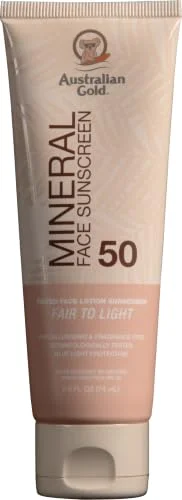
Australian Gold Tinted Mineral Face Sunscreen SPF 50 (Fair to Light)
The sleeper pick. SPF 50 from titanium dioxide and zinc oxide. A vanishing tint that blurs and evens with no white cast. Antioxidant backup from vitamin E and red algae. All for around $19. The three tint ranges — fair-to-light, medium-to-tan, rich-to-deep — cover more skin tones than most premium one-tint formulas.
The finish is slightly more present than EltaMD’s sheer veil. Closer to a light skin tint. Many wearers count that as a feature. Sold through the Australian Gold storefront, where stock on specific tints can come and go. All three ranges were in stock at publication.
5. Supergoop! Glowscreen SPF 40 - Best Glow Finish
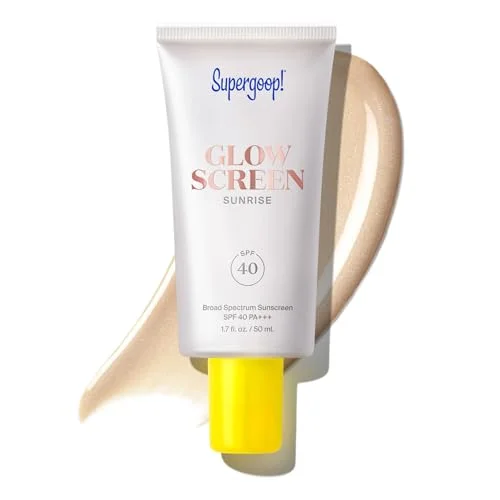
Supergoop! Glowscreen SPF 40 (Sunrise)
Glowscreen is the sunscreen-as-makeup play. SPF 40 chemical filters in a hydrating base. Hyaluronic acid, niacinamide, and vitamin B5. Plus a pearlescent tint — Sunrise is the champagne glow, pink-pearl and bronze shades exist — that works as a lit-from-within primer. On normal-to-dry skin it replaces highlighter. Under foundation it adds the glow back that matte bases remove.
Two honest caveats. Oily skin will read the glow as shine by midday. The filters are chemical. If you’re mineral-only by preference or sensitivity, choose the LRP or Australian Gold picks instead.
6. ISDIN Eryfotona Ageless - Worth the Upgrade
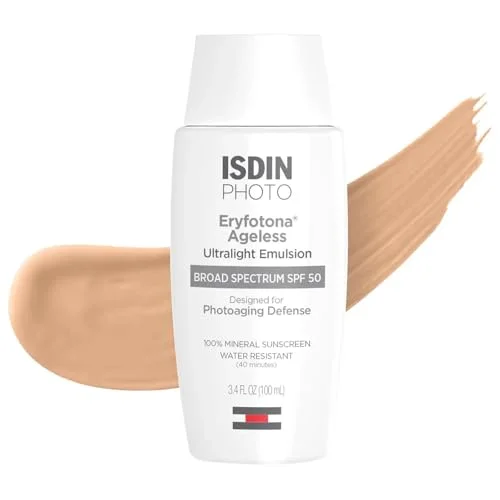
ISDIN Eryfotona Ageless Tinted Mineral SPF 50 (3.4 oz)
Spain’s pharmacy-favorite sunscreen brand makes the most elegant tinted mineral formula we’ve seen. An ultralight zinc-oxide emulsion at SPF 50. Vitamin E bolsters the skin’s own antioxidant defenses. A universal tint with a natural, tone-evening finish that flatters mature and dry skin especially well.
The sticker says around $78. But the bottle is 3.4 oz, double the standard size. That brings the per-ounce cost below EltaMD’s. If daily SPF is the backbone of your routine — it should be — and you want the nicest possible version of the step, this is the upgrade that holds up to scrutiny. The universal tint does have limits on very deep skin tones. LRP’s deep shades serve better there.
7. IT Cosmetics CC+ Cream SPF 50+ - Best Full-Coverage CC Cream
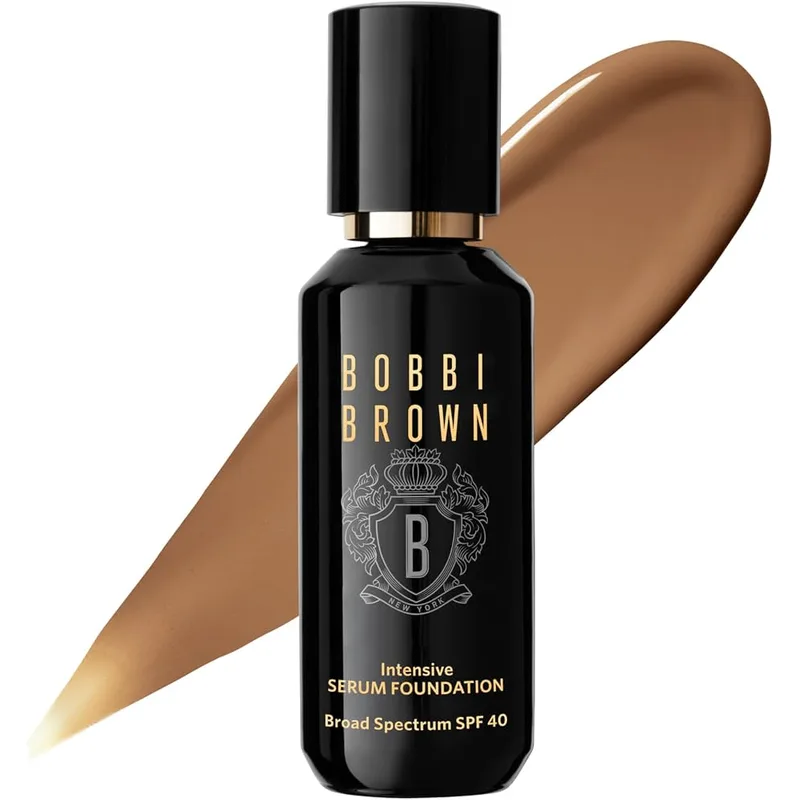
IT Cosmetics CC+ Cream with SPF 50+
Every other pick here is a tint. This one is coverage. IT Cosmetics’ CC+ Cream is a full-coverage color-correcting cream with SPF 50+ broad-spectrum protection from physical filters, and it is the answer for the reader who wants to skip foundation entirely rather than just soften a white cast. The finish is hydrating and natural rather than matte, it blends with fingers, and the shade range is wide — a real advantage over the universal tints on this list, which struggle on deep skin tones. The formula also carries niacinamide, hyaluronic acid and hydrolyzed collagen, so it reads as skincare-adjacent rather than a straight foundation.
Two honest limits. It is makeup, so on no-makeup days a sheer mineral tint like CeraVe or EltaMD is the better tool. And the quarter-teaspoon dose that makes any SPF rating real is more than most people apply from a CC cream, so treat it as SPF insurance over a dedicated sunscreen on long outdoor days rather than as the only layer. Each shade is a separate Amazon listing; check the shade on the page before you order.
Which One Should You Buy?
- Sensitive or blemish-prone skin: EltaMD UV Clear Tinted — the derm-counter classic.
- Building the daily habit cheaply: CeraVe Tinted SPF 30 — around $13.
- Maximum mineral protection + real shade range: La Roche-Posay Anthelios SPF 50.
- Mineral SPF 50 under $20: Australian Gold Tinted Mineral.
- Glow and primer duty: Supergoop! Glowscreen.
- The elevated daily driver: ISDIN Eryfotona Ageless.
- Foundation-level coverage with SPF 50+: IT Cosmetics CC+ Cream.
Tinted SPF is the final morning step. Over moisturizer, under or instead of makeup. See our guide to layering skincare in the right order for the full sequence. If you’re pairing SPF with brightening actives, our vitamin C serums under $30 roundup makes a natural companion.
FAQ
Does tinted sunscreen replace foundation? The sheerest formulas — EltaMD, CeraVe — even tone slightly. The more pigmented — Australian Gold — approach a light skin tint. None replace medium-coverage foundation. But on casual days, most people find a tinted SPF is all they want.
Is tinted sunscreen better for melasma-prone or easily discolored skin? The iron oxides in tinted formulas help defend against visible light. Plain SPF doesn’t do that. It’s a meaningful advantage for skin prone to uneven tone. A tinted mineral SPF 50 like LRP’s or ISDIN’s is the strongest daily choice in this lineup for that concern.
How much tinted sunscreen should I apply? The same as any sunscreen. About a quarter teaspoon for the face and neck. Applying a thin makeup amount cuts the real protection dramatically. Use the full dose and let it set before makeup.
Mineral vs chemical tinted sunscreen — which should I pick? Mineral formulas — zinc or titanium — suit sensitive, reactive, and blemish-prone skin best. Chemical formulas like Glowscreen tend to feel lighter and glowier. Four of our six picks are 100% mineral. Start there if you’re unsure.
Will these oxidize or turn orange during the day? The picks here are chosen partly for stable tints. If you notice darkening, it’s usually interaction with your moisturizer or excess skin oil. Let layers set fully. Blot before reapplying.